How to Prevent Drain Blockages in Your Home
A drain rarely blocks without giving a few warnings first. Water starts taking longer to disappear, a sink makes a gurgling sound, or an odor shows up near a shower drain. Knowing how to prevent drain blockages helps you act before a small buildup turns into a messy backup, an unusable fixture, or water where it does not belong.
For homeowners in Eustis, Mount Dora, Tavares, Leesburg, Lady Lake, and across Lake County, prevention is mostly about daily habits and noticing changes early. Some clogs can be avoided at home. Others, especially recurring blockages and exterior drainage issues, need a closer look to find what is actually happening inside the line.
Prevent Drain Blockages by Keeping the Wrong Things Out
The easiest way to protect a drain is to treat it like a pipe for water, not a disposal for everything left over after cooking, cleaning, or grooming. Many common clogs begin with materials that seem harmless in small amounts but collect along pipe walls over time.
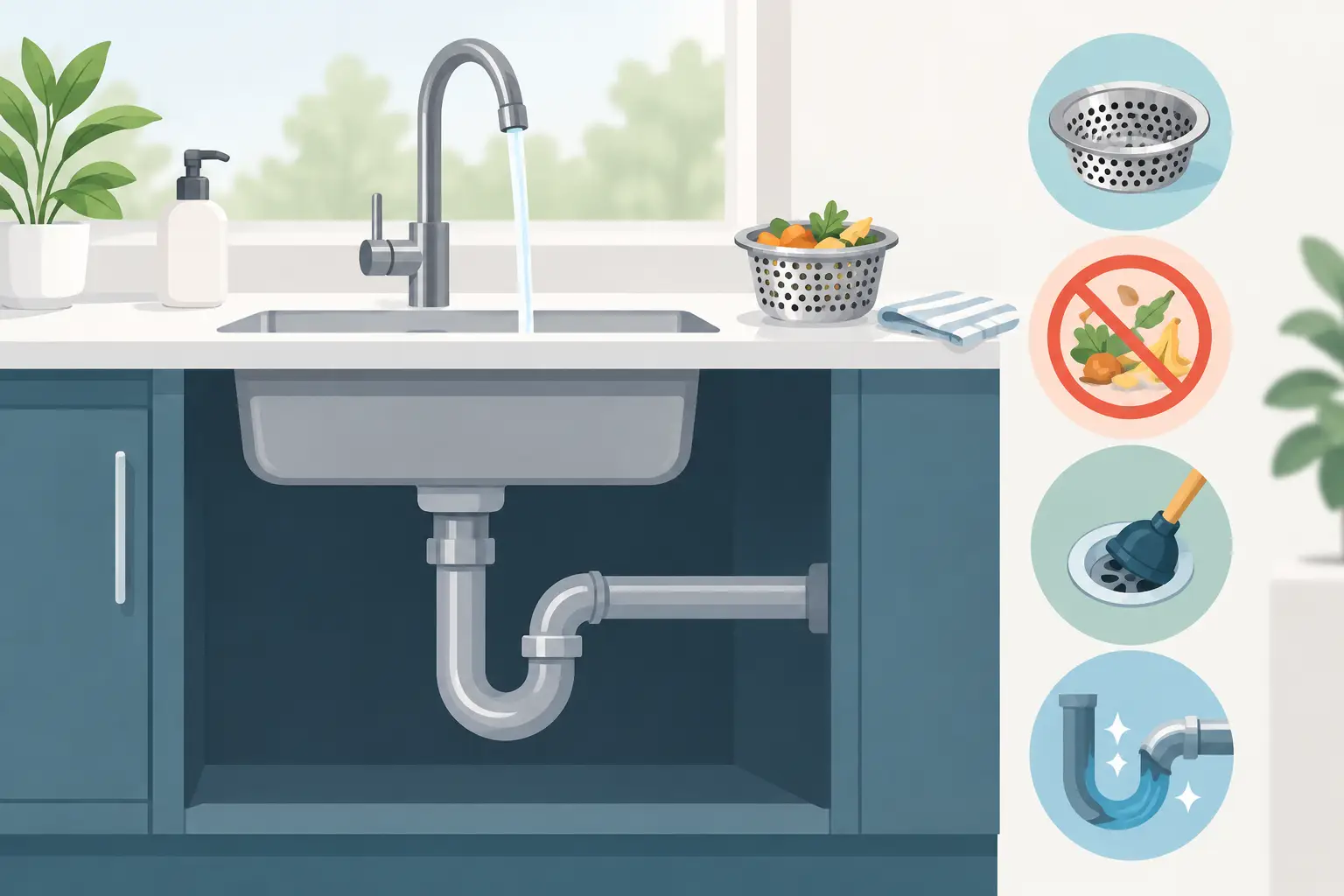
In the kitchen, grease is one of the biggest problems. Hot grease may look liquid when it goes down the sink, but it cools as it moves through the plumbing. It can coat the pipe, catch food particles, and gradually narrow the opening. Pour grease into a heat-safe container, let it cool, and throw it away instead. Wipe oily pans with a paper towel before washing them.
Food scraps deserve the same attention. Even homes with garbage disposals can develop drain buildup from coffee grounds, eggshells, fibrous vegetables, rice, pasta, and starchy leftovers. A disposal breaks food into smaller pieces, but it does not guarantee those pieces will clear the pipe. Scrape plates into the trash or compost before rinsing.
Bathroom drains need protection from hair, soap residue, and personal-care products. A simple hair catcher in a shower or tub is inexpensive and effective, provided it is emptied regularly. Do not push collected hair down the drain after cleaning the catcher. Toss it in the trash.
Toilets should only handle human waste and toilet paper. “Flushable” wipes, paper towels, cotton swabs, dental floss, feminine hygiene products, and cat litter can catch in the line or build a blockage farther down. A toilet may flush normally several times before that material causes a larger problem.
Use a Light Cleaning Routine, Not Harsh Chemicals
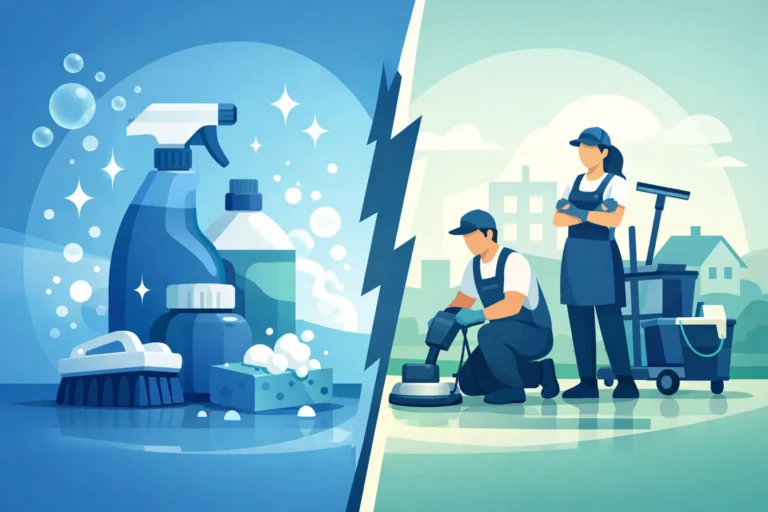
Regular cleaning helps, but the method matters. For most household drains, removing visible debris and rinsing with hot tap water after normal use is more useful than pouring strong chemical cleaners into the pipe every month.
Chemical drain cleaners can be hard on pipes, seals, and fixtures, particularly if they sit in a slow drain. They also may only burn a small channel through a clog instead of removing the buildup completely. That can leave the underlying restriction in place, allowing the problem to return quickly. If the product does not work, the chemical remains in the line and can create a hazard for anyone who later works on the drain.
For a kitchen sink, periodically clean the strainer and rinse the drain with hot water after washing greasy dishes. For bathroom sinks and tubs, remove hair and soap buildup from the stopper or drain cover before it gets packed into the pipe. These simple tasks are safer than repeatedly relying on chemical cleaners.
Baking soda and vinegar are often suggested as a home solution. They can help freshen a drain or loosen minor surface residue, but they are not a cure for a real clog, grease-packed line, root intrusion, or a damaged pipe. If water is draining slowly after basic cleaning, it is better to find the reason than keep adding products.
Watch for Early Signs of a Developing Clog
A blocked drain is easier to deal with before it becomes a backup. Pay attention when a fixture behaves differently, even if it still drains eventually. A slow kitchen sink, a shower that leaves water around your feet, or a bathroom sink that needs frequent plunging is telling you something has changed.
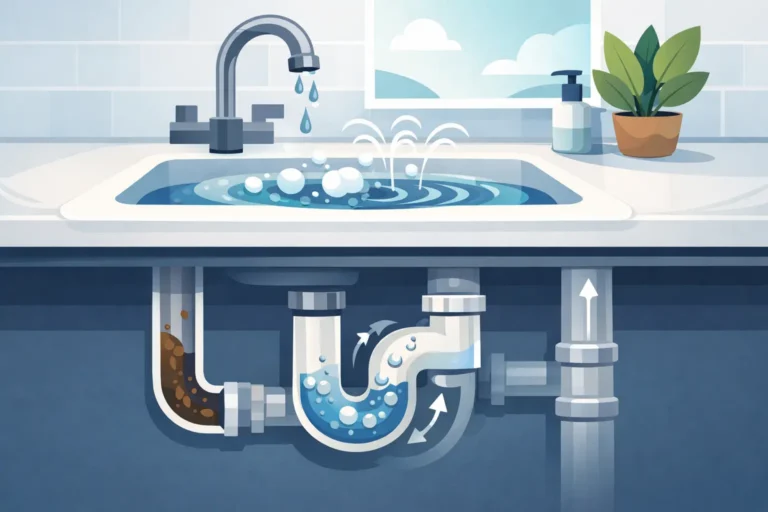
Gurgling is another useful warning sign. It can happen when air struggles to move past a restriction in the line. If one drain gurgles occasionally, the issue may be local. If multiple fixtures gurgle, drain slowly, or affect one another, the problem could be in a branch line or the main sewer line.
Odors should not be ignored either. A foul smell can come from buildup trapped in a drain, a dry drain trap, or a drainage issue farther down the system. Run water in seldom-used sinks, showers, and floor drains to keep the trap filled. If the smell continues, especially along with slow drainage, it is time to have the system checked.
Recurring clogs are not normal. A plunger may restore flow for the moment, but repeated trouble in the same fixture usually means material remains in the pipe or there is a deeper issue. No guessing. No unnecessary work. The goal should be to identify the source and clear it properly.
Protect Outdoor and Storm Drains Before Heavy Rain
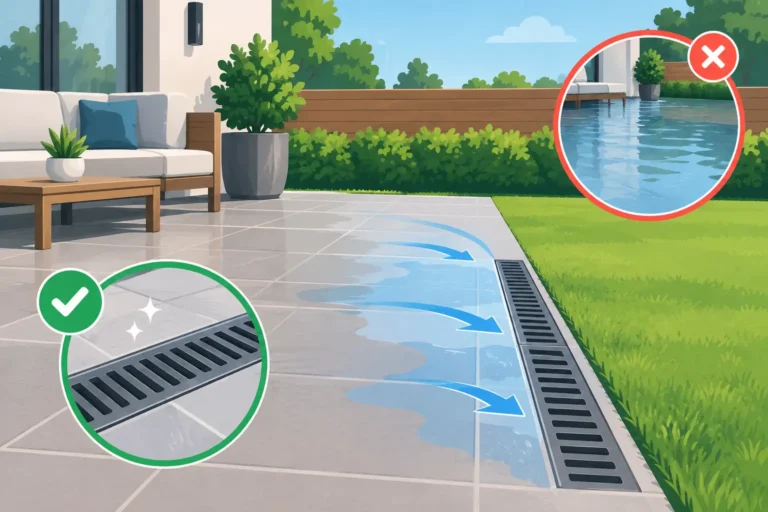
Lake County rain can expose an exterior drainage problem fast. When a storm drain, yard drain, catch basin, or driveway channel is blocked with leaves, mulch, grass clippings, sand, and debris, water has nowhere to go. The result may be standing water near the home, a flooded driveway, or erosion around landscaped areas.
Walk your property before and during the rainy season. Clear loose leaves and debris from grates, gutters, downspout outlets, and visible drain openings. Keep mulch from washing over drain covers, and avoid blowing grass clippings toward curbside or yard drains.
Do not remove a drain cover or reach deep into an exterior line if you cannot see what is causing the blockage. Buried debris, broken components, and pest activity can make that a poor DIY job. If water repeatedly pools in the same area after rain, the line may be obstructed below ground or the drainage path may need professional attention.
Know When Home Maintenance Is No Longer Enough
A plunger is useful for a simple toilet or sink clog, and cleaning a hair catcher can prevent plenty of shower backups. But there is a point where repeated home remedies cost more time and create more frustration than a proper diagnosis.
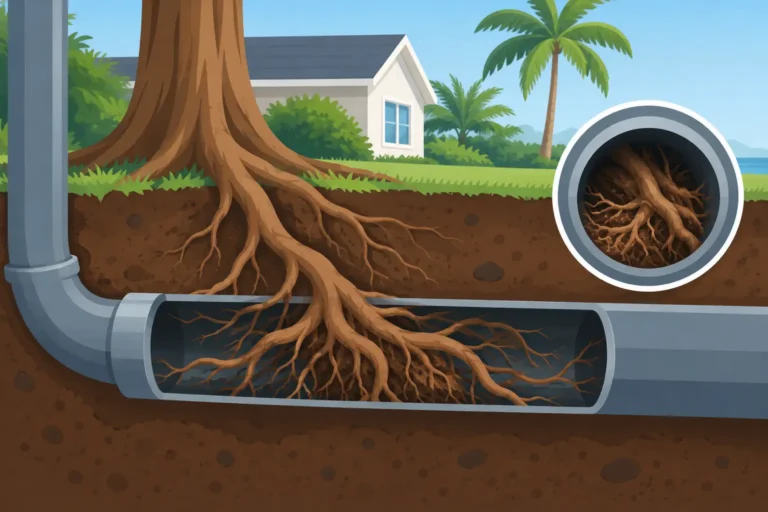
Call for professional help when several fixtures are slow at once, water comes up in a tub or shower when another fixture is used, toilets bubble, or a drain keeps clogging after you have cleared visible debris. These can be signs of a main-line blockage, heavy buildup, roots in the pipe, or a damaged section of line.
A camera inspection can remove the uncertainty. Instead of assuming the problem is grease, hair, or a small obstruction, a technician can inspect the inside of the pipe and explain what is there in plain language. That matters when deciding whether a thorough cleaning, high-pressure jetting, repair, or a different solution makes sense for your home and budget.
Professional cleaning is also worth considering after a major backup has been cleared. A drain that starts flowing again is not always a drain that is fully clean. Removing the material along the pipe walls helps reduce the chance of the same blockage returning soon after.
Build Prevention Into Your Normal Home Routine
You do not need a complicated schedule to keep drains in better shape. Empty sink strainers and shower hair catchers as needed. Keep grease, wipes, and food scraps out of the plumbing. Check exterior drain covers after storms and yard work. Most importantly, respond when you notice a change rather than waiting for a complete stoppage.
If a drain keeps giving you the same warning, it deserves a real answer. USA Drain Cleaning can inspect the issue, explain what is causing it, and recommend only the work needed to get your drainage system moving properly again. A clear drain today is helpful, but understanding why it blocked is what helps protect your home tomorrow.