Why Is Drain Gurgling Happening in Your Home?
A sink that burps after draining, a toilet that bubbles when the shower runs, or a tub that makes a hollow glug-glug sound is more than an annoying household noise. Drain gurgling usually means air is struggling to move through your plumbing system the way it should. Sometimes the cause is small and close to one fixture. Other times, it is an early warning of a blockage deeper in the main line.
The key is to pay attention to which drains are making noise, when it happens, and whether water is draining normally. Those details help separate a simple local clog from a problem that could turn into a backup.
What Drain Gurgling Usually Means
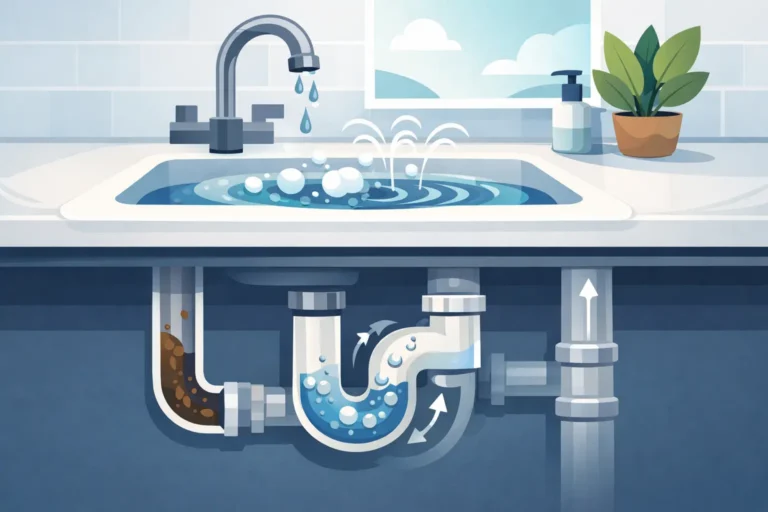
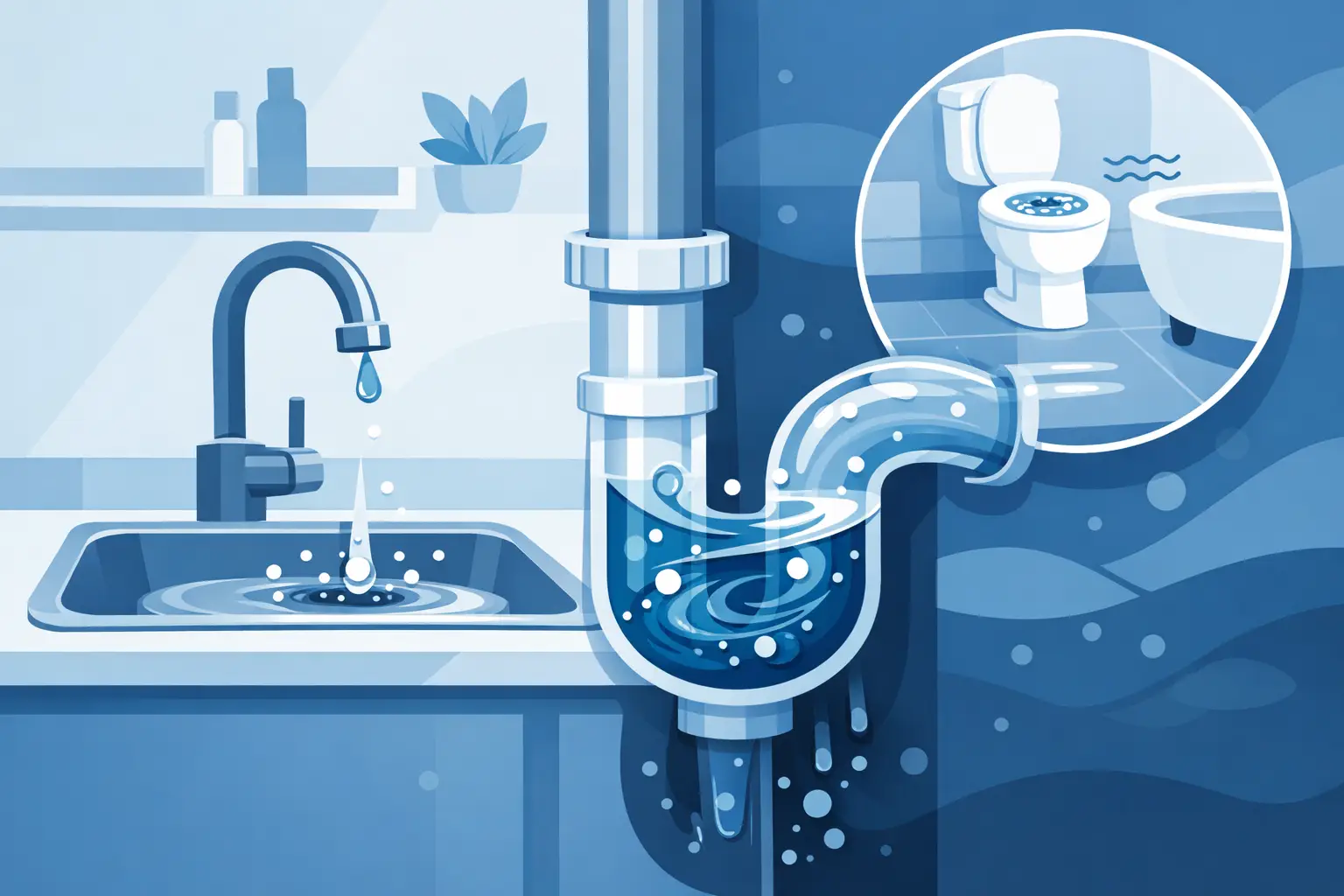
Your drains need two things to work properly: a clear path for wastewater to flow out and a way for air to move through the pipes. Plumbing vents, which typically run up through the roof, help equalize pressure as water travels down the drain.
When buildup, debris, roots, or another obstruction restricts that flow, air can become trapped or pulled through standing water in a drain trap. That movement creates the gurgling sound. It can happen in a kitchen sink, bathroom sink, shower, tub, toilet, or laundry drain.
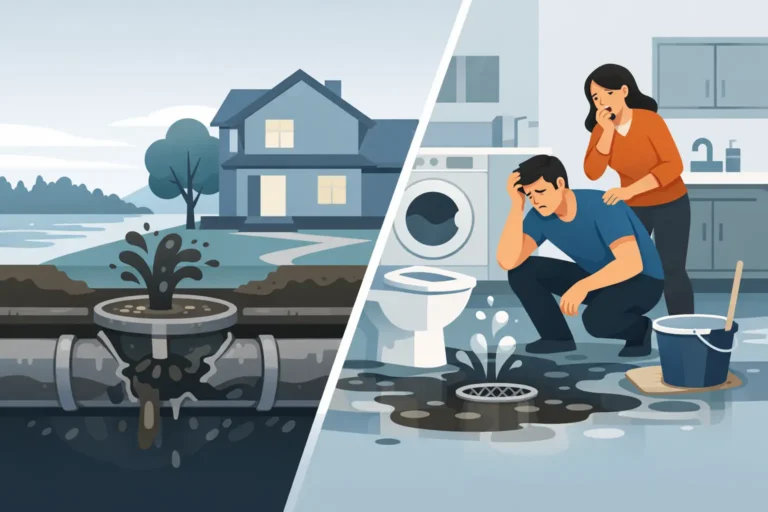
One occasional sound from a single slow sink is often less urgent than several fixtures gurgling together. If your toilet bubbles when another drain is used, or multiple drains are slow at the same time, the issue may be farther down the line. That is when waiting can lead to sewage or wastewater coming back into a tub, shower, or lowest drain in the house.
Common Causes of Drain Gurgling
A partial clog near one fixture
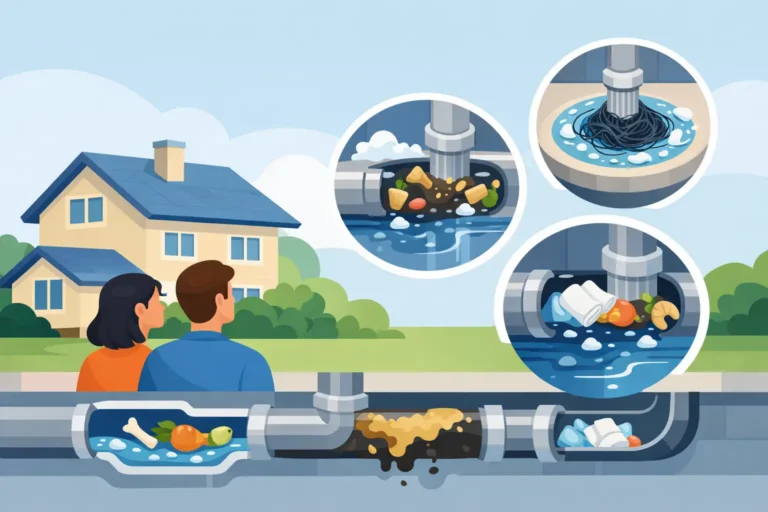
Hair, soap residue, toothpaste, grease, food particles, and other everyday debris can collect inside a branch drain. Water may still get through, but the narrowed pipe creates pressure changes that pull air through the trap.
This is common when only one sink, shower, or tub makes noise. You may also notice slow draining or a lingering odor from that fixture. Removing visible hair from a stopper or cleaning a reachable trap can help in some cases, but recurring gurgling means the obstruction may be farther into the pipe than you can reach.
A blockage in the main sewer or septic line
When more than one fixture is involved, a main-line restriction becomes more likely. This pipe carries wastewater from the home to the municipal sewer connection or septic system. Buildup, flushed items, damaged pipe sections, or tree roots can narrow or block it.
A main-line issue often shows up in patterns. Run the washing machine, and the nearby toilet bubbles. Flush a toilet, and water moves in the shower drain. Use a bathroom sink, and the tub gurgles. These symptoms deserve prompt attention because the line may be close to backing up.
A blocked or poorly functioning plumbing vent
A vent blockage can also cause pressure problems. Leaves, nest material, debris, or damage around the vent opening may restrict airflow. The symptoms can resemble a clog, including gurgling and slow drainage.
Vent work is not usually a homeowner project. Reaching the roof has obvious safety concerns, and guessing between a vent issue and a drain blockage can lead to unnecessary work. A proper inspection helps identify which part of the system is actually causing the noise.
Pipe buildup or a damaged line
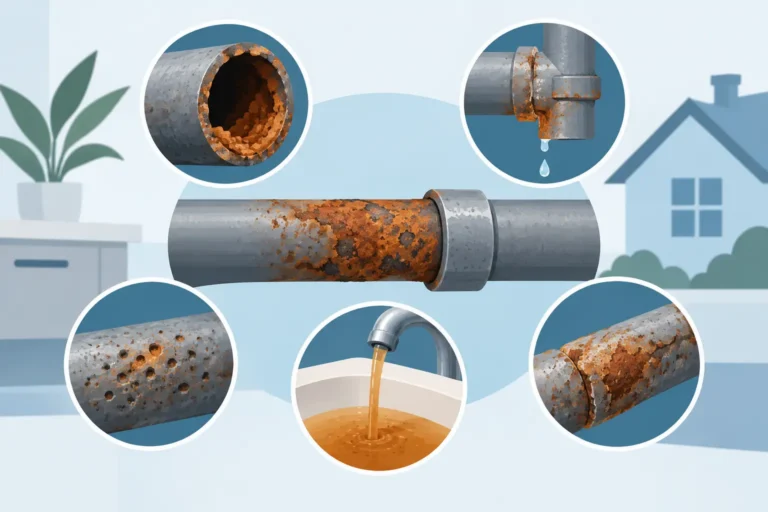
Older pipes can develop scale, corrosion, or heavy buildup on their interior walls. In Lake County, homes may also have underground lines affected by shifting soil, aging materials, or root intrusion. Roots do not have to fill a pipe completely to create trouble. A small intrusion can catch toilet paper and debris until a partial blockage forms.
Chemical drain cleaners rarely solve this type of problem. They may burn through a little surface material, but they do not remove roots, repair a damaged pipe, or clear heavy buildup throughout a long section of line. They can also leave harsh chemicals sitting in pipes if the drain is already restricted.
What You Can Do Before Calling for Help
Start by limiting water use if several fixtures are gurgling or draining slowly. Avoid running the dishwasher, washing machine, or multiple showers until you know whether the main line is clear. Adding more water to a restricted line can turn a warning sign into a messy backup.
If the sound is limited to one sink or tub, check for simple, safe-to-remove debris. Pull hair from the stopper, clear food debris from the sink strainer, and make sure the drain is not being blocked by a cleaning product cap or small object. A plunger used correctly can sometimes clear a minor local obstruction, especially in a sink or toilet.
Do not keep plunging a toilet that is rising toward the rim, and do not pour repeated bottles of chemical cleaner into a gurgling drain. If water is moving between fixtures or coming up through a shower, stop using the plumbing and arrange professional service.
When Gurgling Is an Urgent Warning
A noisy drain should be checked soon when it comes with any of these signs:
- Water backs up into a tub, shower, sink, or floor drain.
- Multiple fixtures gurgle, drain slowly, or produce foul odors.
- A toilet bubbles when a sink, shower, or washing machine drains.
- The same drain clogs again soon after being plunged or treated.
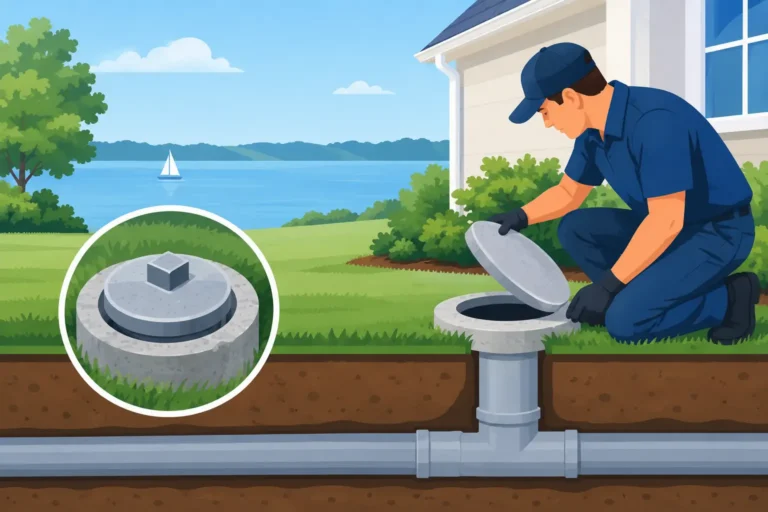
- You see wet areas, sewage odors, or unusual pooling near an exterior cleanout.
These symptoms do not always mean the entire pipe needs replacement. In many cases, professional cleaning can remove the restriction and restore normal flow. But the only responsible way to recommend a repair is to identify the location and condition of the problem first.
Why a Camera Inspection Can Save Time and Money
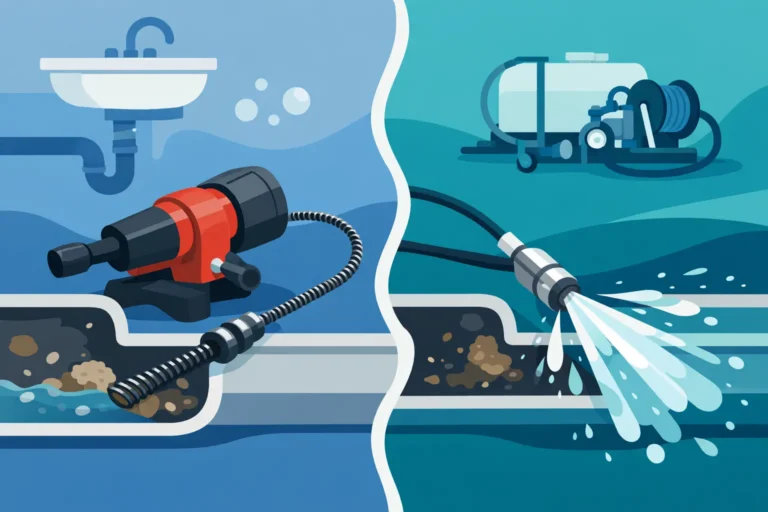
A drain cable can open many clogs, but clearing a line without seeing inside it may not explain why the problem keeps returning. A video camera inspection lets a technician check for grease buildup, root intrusion, standing water, separated pipe sections, broken pipe, or an object lodged in the line.
That information matters when deciding between drain cleaning, high-pressure jetting, maintenance, or a repair. It also helps prevent paying for work that does not match the actual problem. No guessing. No unnecessary work.
For homeowners in Eustis, Mount Dora, Tavares, Leesburg, and Lady Lake, USA Drain Cleaning uses camera diagnostics to show what is happening inside the drain and explain the findings in plain language. You should know what is causing the gurgling, what needs to be done, and what the quoted work is intended to fix before the job begins.
Keeping Drains Quieter After the Repair
Once the immediate blockage is cleared, a few habits can reduce the chance of another problem. Keep grease, coffee grounds, and food scraps out of the kitchen sink. Use drain screens in showers and bathroom sinks to catch hair. Only flush toilet paper and waste, not wipes labeled “flushable,” paper towels, or hygiene products.
If roots or heavy buildup were found, periodic maintenance may make sense. The right schedule depends on the age of the line, the pipe material, nearby trees, and how often the drain has clogged before. A home with mature trees near its sewer line may need a different plan than a newer home with a one-time kitchen grease clog.
A gurgling drain is your plumbing asking for attention before it has to demand it. Taking action while the sound is still just a sound can protect your home from the stress, expense, and cleanup of a full backup.