Toilet Gurgling Diagnosis for Lake County Homes
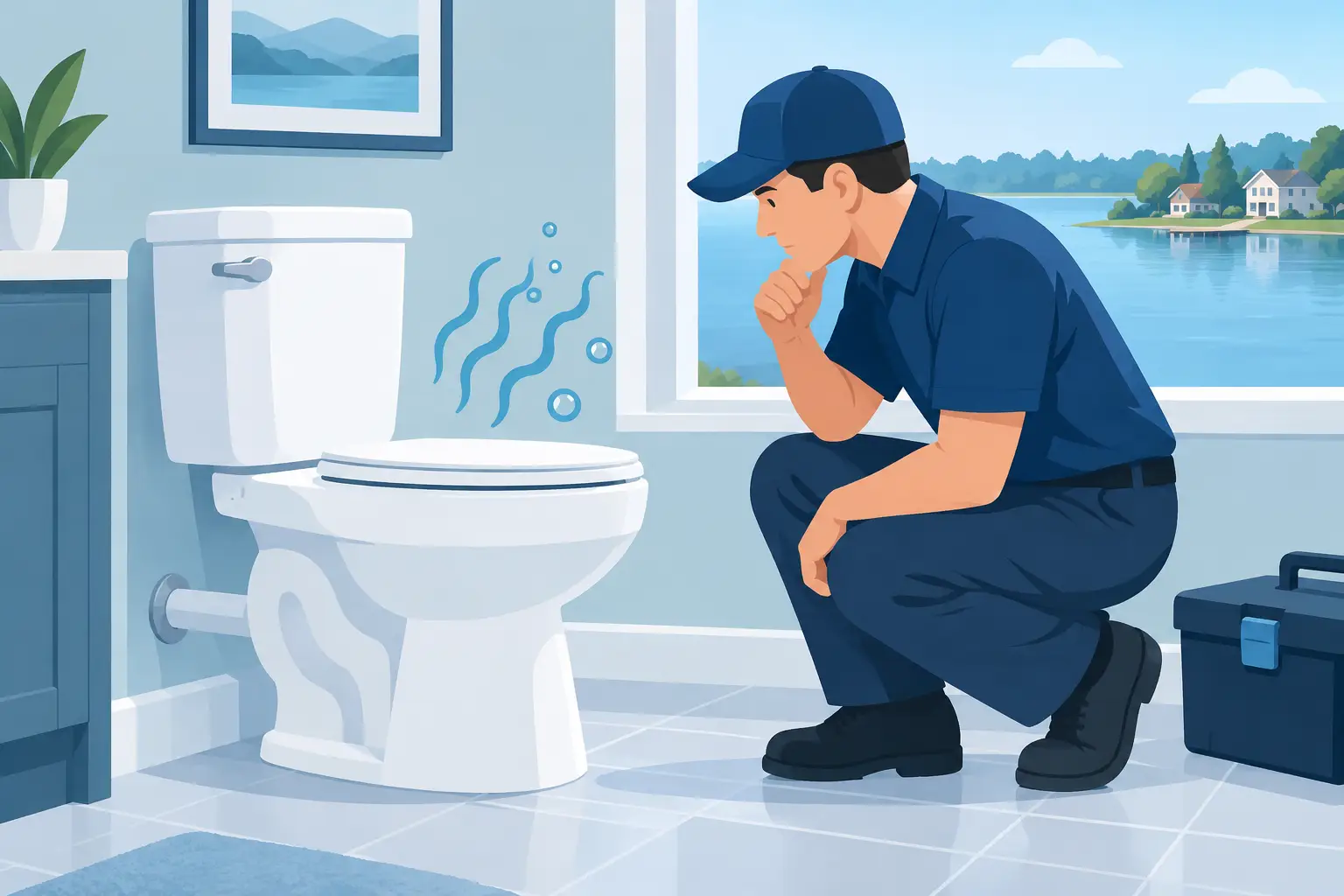
A toilet that gurgles after you flush is not just making an odd noise. It is often moving air where water should be moving freely. A proper toilet gurgling diagnosis helps determine whether you have a minor fixture issue, a developing drain blockage, or a main-line problem that could turn into a messy backup.
For homeowners in Eustis, Mount Dora, Tavares, Leesburg, and Lady Lake, the key is paying attention to what happens around the sound. Does the bowl water rise or fall? Do nearby tubs and sinks make noise too? Is the problem new, recurring, or getting worse? Those details point toward the real cause and help avoid treating a serious drain issue like a simple toilet clog.
What Toilet Gurgling Usually Means
Your home’s drainage system needs water and air to work together. When wastewater travels through a drain line, air must move through the plumbing vent system or past an open path in the pipe. If a blockage narrows that path, the system may pull or push air through the toilet trap instead. That is the gurgling sound you hear.
A single gurgle does not always mean an emergency. A toilet may make a brief sound after a large flush, particularly in an older home. But repeated gurgling, changes in bowl water level, slow drains, or sewer odors should not be ignored. Those signs often mean the restriction is farther down the line than a plunger can reach.
The sound itself matters less than the pattern. A toilet that gurgles every time the washing machine drains is giving you different information than a toilet that only gurgles after someone uses that bathroom. The first can indicate a shared branch-line or main-line restriction. The second may be closer to the fixture.
Toilet Gurgling Diagnosis Starts With Nearby Fixtures
Before using chemicals or trying to force another flush, take a quick look at the other drains in the home. This simple check helps separate a local toilet problem from a broader drainage issue.
If only one toilet gurgles and every other fixture drains normally, the toilet may have a partial clog in its trap or in the drain immediately below it. Excess paper, wipes, small objects, or buildup can reduce flow without causing a complete blockage. A flange or toilet installation issue is less common, but it can also affect how the fixture drains.
If a nearby tub, shower, or sink bubbles when the toilet flushes, the problem is more likely in the branch drain that those fixtures share. Water is meeting resistance downstream and looking for air through the nearest trap. You may also notice that the tub or shower drains slowly after the toilet is flushed.
When several fixtures are slow, noisy, or backing up, the concern shifts to the main sewer line. This is especially true when flushing a toilet causes water to rise in a shower, when laundry drainage makes a toilet bubble, or when the lowest drain in the house backs up first. In that situation, stop sending more water down the drains. Another load of laundry or a few more flushes can turn a partial blockage into wastewater on the floor.
Common Causes Behind the Noise
A partial drain blockage is the most common reason for toilet gurgling. Grease, soap residue, paper products, scale, and debris can build up over time until the pipe no longer has enough open space for normal flow and venting. A clog may still allow water through, which is why the problem can seem to come and go before it becomes severe.
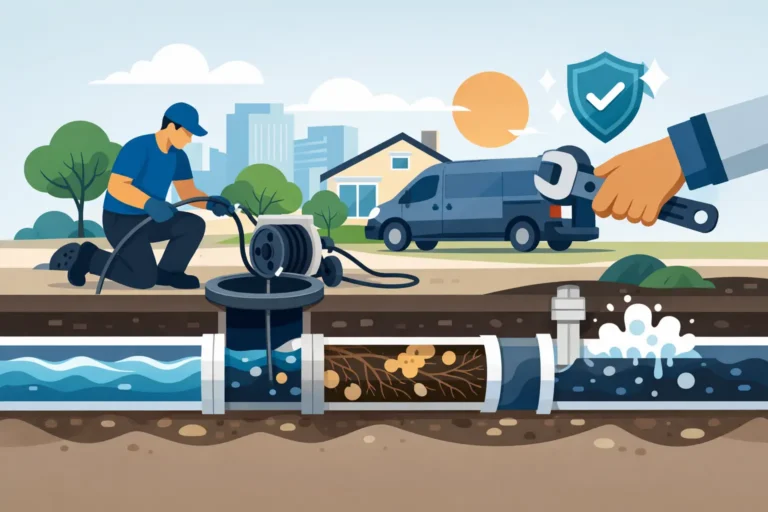
Root intrusion is another common issue in older or damaged underground sewer lines. Tree roots naturally seek moisture and can enter through small gaps, joints, or cracks. Once inside, they trap debris and continue growing. A toilet may gurgle for weeks before the line blocks enough to cause a backup.
A blocked plumbing vent can create similar symptoms. Leaves, nesting material, or other debris may obstruct a roof vent and prevent the system from drawing air correctly. Vent problems are real, but they are less common than drain restrictions. They also require careful inspection because roof work has safety risks. It is not a good reason to climb onto a roof without the right equipment and experience.
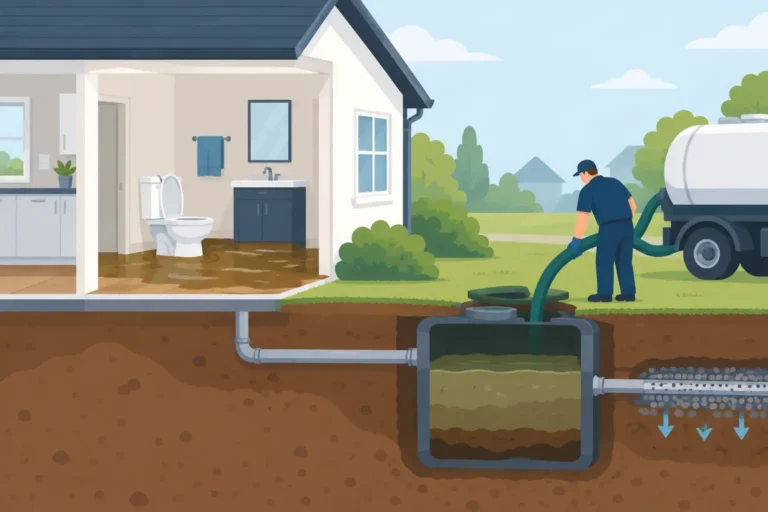
Some Lake County homes use septic systems rather than a municipal sewer connection. In those homes, gurgling can also be a warning that the septic tank is overdue for service, the outlet is restricted, or the drain field is not accepting water properly. A drain inspection can help identify whether the issue is inside the home’s piping or requires septic service.
What You Can Safely Check First
If the toilet is not overflowing, start by checking whether it has an obvious, local clog. A toilet plunger with a flange can help clear a minor obstruction. Use steady, controlled strokes and make sure the cup seals over the drain opening. If the toilet flushes normally afterward and no other fixture shows symptoms, monitor it for a few days.
Do not keep flushing to test a toilet that is filling high in the bowl, draining slowly, or making louder gurgling sounds. Wait for the water level to return to normal. If it looks like the toilet may overflow, remove the tank lid and close the flapper, then shut off the water supply valve behind the toilet if needed.
Avoid chemical drain cleaners. They rarely solve a blockage deep in a toilet branch or main line, and they can damage pipes, seals, and fixtures. They also make future drain work less safe for anyone who has to open or service the line. A product that temporarily improves flow can leave the underlying buildup, roots, or damaged pipe untouched.
You should also avoid treating the toilet as a disposal system. Flushable wipes, paper towels, feminine hygiene products, cotton swabs, and dental floss can all contribute to recurring clogs. Even products labeled flushable may not break down fast enough to move safely through every home’s drain system.
When a Camera Inspection Is the Right Next Step
A recurring gurgle needs more than a guess. Professional drain cleaning can remove many blockages, but a camera inspection shows why the line restricted in the first place. That difference matters when you are deciding whether a one-time cleaning is enough or whether roots, pipe damage, heavy buildup, or a low spot in the line needs attention.
During a camera inspection, a technician sends a specialized camera through the accessible drain line and reviews the condition of the pipe. You should be able to see the findings and get a plain-language explanation of what is causing the problem. No guessing. No unnecessary work.
For example, a line coated with buildup may respond well to professional-grade high-pressure jetting, which cleans the inside of the pipe more thoroughly than simply punching a small hole through a clog. Root intrusion may require cleaning first, followed by a conversation about the condition of the pipe and the likelihood of roots returning. If the camera shows a broken or offset pipe, repeated drain clearing alone may become an expensive cycle without solving the cause.
USA Drain Cleaning approaches these calls with that diagnostic mindset: identify the source, explain what the camera shows, provide a clear quote, and complete the work needed to restore dependable flow. The goal is not to sell work you do not need. It is to prevent a small warning sound from becoming a preventable backup.
Signs You Should Call for Help Promptly
Call for professional drain service when the toilet gurgles along with multiple slow drains, water rises in a tub or shower, sewage odors appear, or the toilet bowl level changes without being flushed. Those are signs that the drainage system may be under pressure from a restriction farther down the line.
Act quickly if wastewater comes up through a shower, floor drain, or toilet. Stop using water throughout the home as much as possible until the line is checked. That includes dishwashers, washing machines, showers, and repeated toilet flushing. Reducing water use can limit damage while the blockage is being diagnosed.
Heavy Florida rain can add urgency around exterior drainage problems, but it should not be used to explain away indoor plumbing symptoms. If gurgling occurs after rain, a camera inspection can help determine whether groundwater, damaged piping, roots, or a separate exterior drainage issue is contributing to the trouble.
A gurgling toilet is your plumbing system asking for attention before it has no choice but to make a bigger mess. Notice the pattern, avoid risky quick fixes, and get the line inspected when the signs point beyond a simple clog. A clear diagnosis gives you a practical next step and a better chance of keeping your home clean, dry, and back to normal.