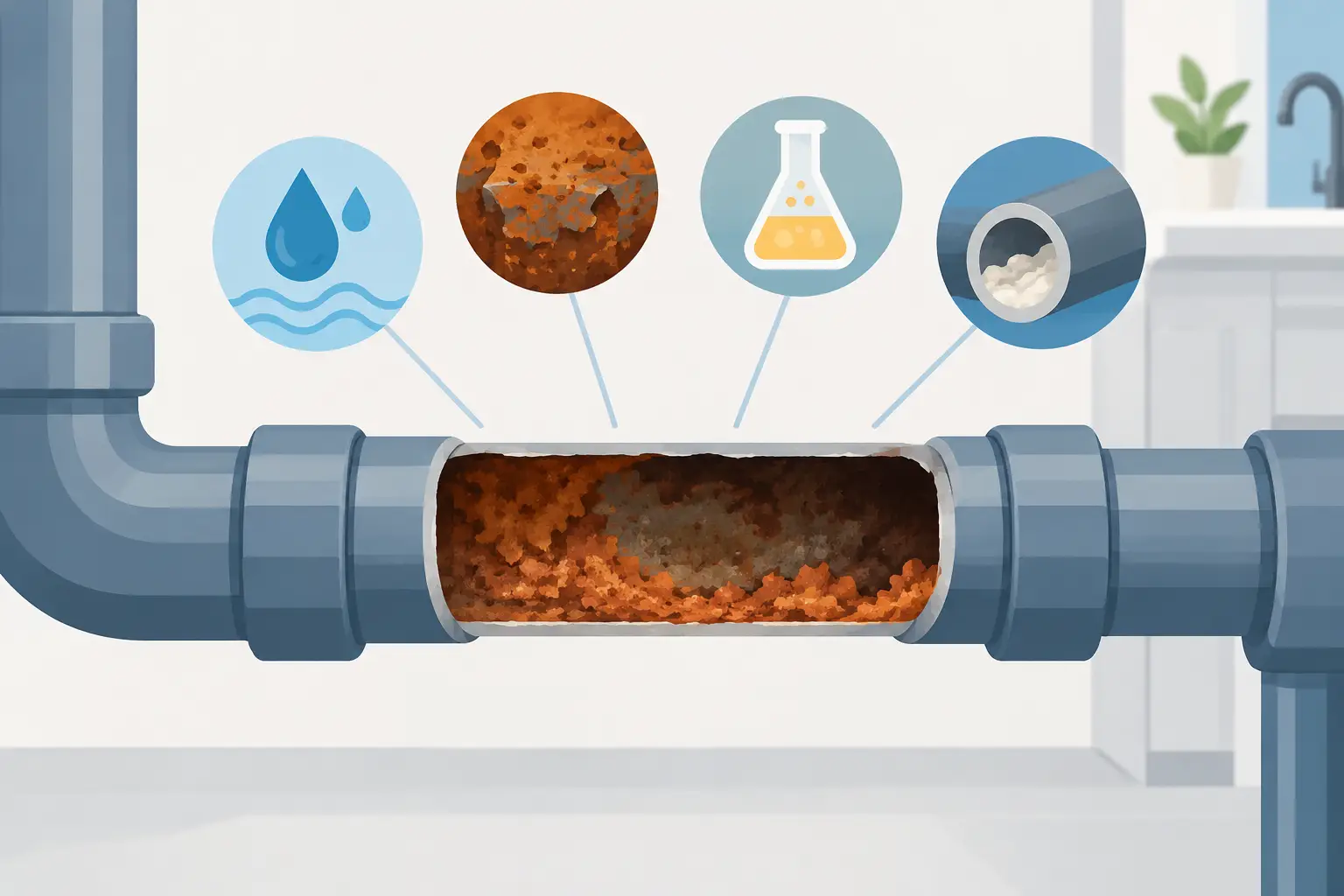
Pipe Corrosion Causes in Your Home Plumbing
A drain that keeps clogging may not be dealing with a simple blockage. In some homes, pipe corrosion causes rough, narrowed pipe interiors that catch grease, soap residue, hair, and debris long after the drain has been cleared. The result is a frustrating cycle: the drain works for a while, slows down again, and eventually backs up when you least expect it.
Corrosion is not always visible from a sink, shower, or toilet. It often develops gradually inside older metal pipes or along sections exposed to moisture, certain soil conditions, and changing water chemistry. Knowing what causes it can help Lake County homeowners respond before a small drainage problem turns into a damaged line, leak, or recurring main-line backup.
What Pipe Corrosion Actually Does
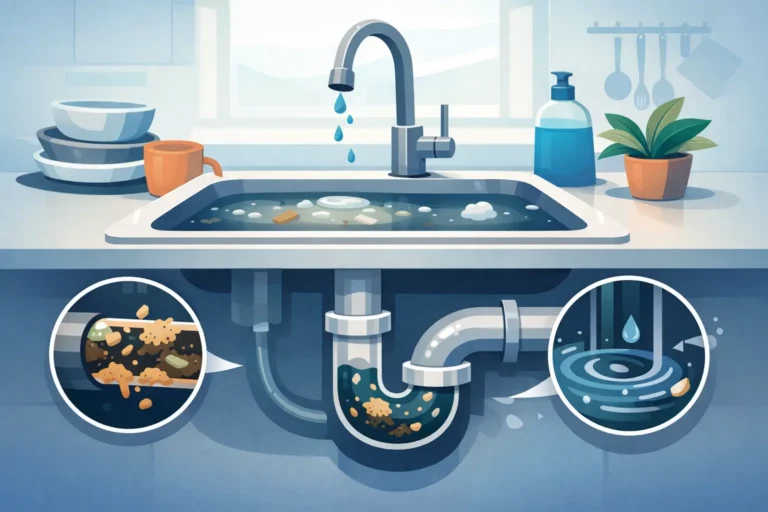
Corrosion is the gradual breakdown of metal as it reacts with water, oxygen, minerals, or chemicals. It is not the same thing as a clog, though the two problems often appear together. As the inner wall of a metal pipe deteriorates, it can become flaky, pitted, or uneven. That rough surface gives everyday drain debris something to cling to.
A pipe can also corrode from the outside. Buried lines may be affected by wet soil, shifting ground, or contact with incompatible materials. In Florida, periods of heavy rain can keep soil saturated around exterior plumbing and drainage components. That does not automatically mean a pipe will fail, but existing weak spots can worsen over time.
The key issue is that drain cleaning alone cannot repair a corroded pipe. It can remove buildup and restore flow, but the condition of the pipe still needs to be understood. No guessing. No unnecessary work. A camera inspection can show whether the line is simply dirty, damaged, narrowed by corrosion, or affected by roots and other obstructions.
Common Pipe Corrosion Causes in Homes
Water chemistry and mineral content
Water carries dissolved minerals and gases that can affect plumbing over many years. The exact effect depends on the home’s water source, treatment, pipe material, and how water moves through the system. Certain water conditions can gradually wear away protective pipe surfaces, while minerals can leave scale behind.
Scale and corrosion can look similar from the homeowner’s point of view because both reduce the space inside a pipe. Water drains more slowly, and buildup returns faster after cleaning. A camera inspection helps separate these possibilities so the next step is based on what is actually in the line.
Age and pipe material
Older homes may have galvanized steel, cast iron, or other metal piping that has reached the point where internal deterioration is more likely. Galvanized pipe can develop rust and mineral buildup. Cast iron can scale, pit, crack, or form rough channels that trap waste and paper.
Age alone does not mean every pipe needs replacement. Some sections may still be sound, while one branch line or a portion of the main line has become the trouble spot. That is why a clear look inside the pipe matters before anyone recommends major work.
Moisture, oxygen, and standing water
Metal needs the right conditions to corrode, and prolonged moisture is a major factor. Small leaks, condensation, poor drainage around a pipe, or water sitting in a low area can all create those conditions. Exterior lines and fittings are especially vulnerable when surrounding soil stays wet for extended periods.
Inside the home, corrosion may begin around joints, fittings, and connections where water has been escaping slowly. You may notice a musty odor, staining, damp cabinet bottoms, or a floor area that feels unusually soft. Those signs call for prompt attention, even if the drain still appears to work.
Dissimilar metals touching each other
When two different metals are connected without the proper fitting or protection, an electrical reaction can occur in the presence of moisture. This is called galvanic corrosion. It tends to affect the area near the connection first, weakening fittings or creating leaks.
This issue is more likely to be found after plumbing repairs, remodels, or partial pipe replacements where newer materials meet older ones. It is not something a homeowner can confirm by looking under a sink alone, but a qualified inspection can identify suspicious connections and related damage.
Harsh chemical drain products
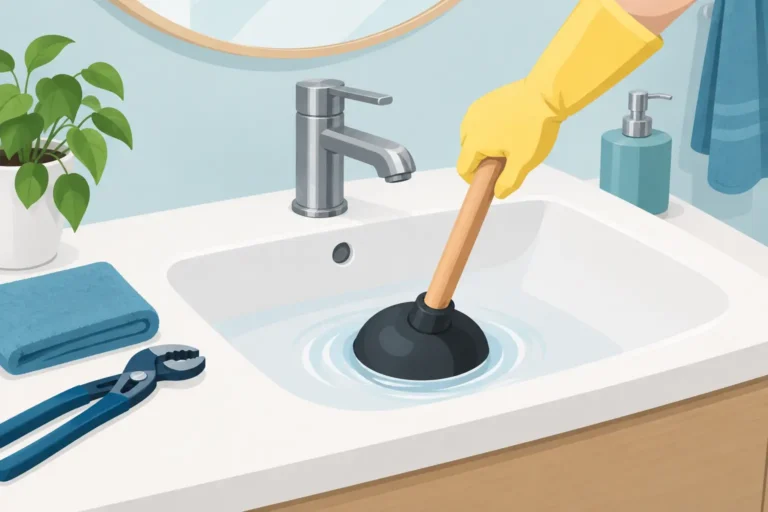
Store-bought chemical drain cleaners can be hard on pipes, particularly when used repeatedly or left sitting in a slow drain. They may generate heat and use aggressive ingredients to break through a clog. That can be tempting when water is standing in the sink, but it may worsen already thin, aging, or corroded metal pipe.
Chemical products also rarely solve the reason a clog keeps returning. If grease, scale, root intrusion, or a damaged pipe wall is holding debris, the drain may clear briefly and then slow down again. Mechanical cleaning or high-pressure jetting, when appropriate for the pipe condition, addresses buildup more thoroughly without relying on repeated chemical treatments.
Soil conditions and exterior pipe exposure
For underground pipes, the surrounding environment matters. Soil moisture, drainage patterns, fertilizers, and contact with certain materials can contribute to outside corrosion. Ground movement can also strain older joints and coatings, allowing water and soil to reach areas that were previously protected.
Homeowners may first notice this as wet areas in the yard, unexplained sewer odors outdoors, unusually green patches of grass, or a persistent backup without an obvious indoor clog. These symptoms can overlap with root intrusion, a broken line, or a blocked main drain, so a camera inspection is the practical way to narrow it down.
Warning Signs That Deserve a Closer Look
Corrosion usually does not announce itself with one dramatic symptom. It tends to show up as a pattern. Pay attention when multiple drains are slow, a fixture gurgles after another fixture is used, or backups keep returning after they have been cleared.
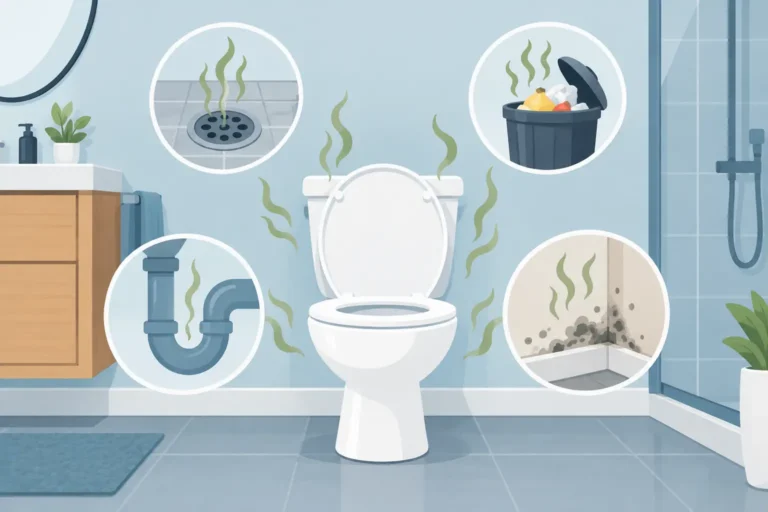
Other warning signs include rust-colored water from supply plumbing, recurring drain odors, visible corrosion around exposed pipe connections, damp areas near plumbing, and clogs that seem to form in the same location. A toilet that bubbles when the shower drains or a tub that backs up when the washing machine runs can point to a restriction farther down the line.
A slow drain is not always corrosion. It could be grease, hair, soap buildup, a foreign object, roots, or a sagging section of pipe. But when clearing the surface clog does not last, it is worth finding the underlying cause rather than repeating the same temporary fix.
How Professionals Identify the Real Problem
The most useful first step is to inspect the line rather than make assumptions. A drain camera travels through the pipe and provides a view of the interior condition. It can reveal scale, rust, pitting, cracked sections, root growth, separated joints, heavy buildup, and areas where the pipe is holding water.
That information changes the recommendation. If the pipe is intact but narrowed by buildup, professional cleaning or high-pressure jetting may restore better flow. If the camera shows significant corrosion, a collapsed section, or a cracked pipe, cleaning may provide only temporary relief and repair options should be discussed plainly.
At USA Drain Cleaning, the goal is to show homeowners what is going on and explain it in everyday language. You should know whether the issue is a cleanable blockage, a pipe condition that needs monitoring, or damage that requires a repair plan before work moves forward.
What Homeowners Can Do to Reduce Corrosion Risk
You cannot control every factor affecting an older pipe, but a few habits can help avoid adding stress to the system. Use strainers to keep hair and food debris out of drains, avoid pouring grease down the kitchen sink, and limit the use of harsh chemical cleaners. Address small leaks and recurring slow drains early rather than waiting for a full backup.
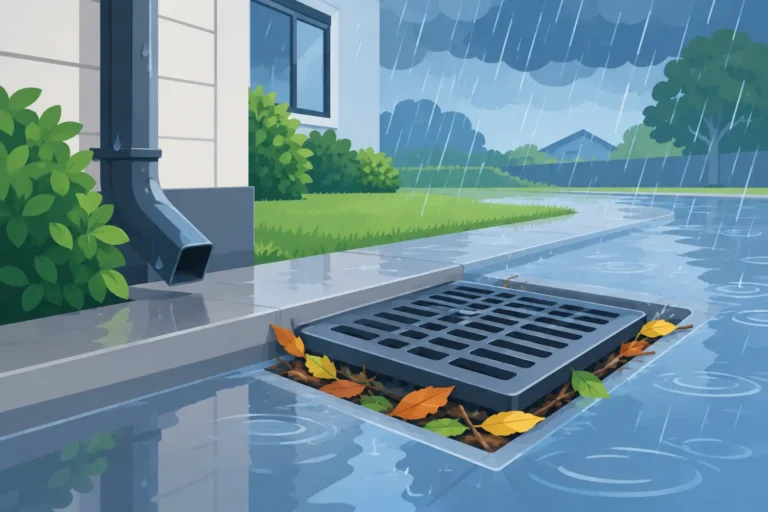
Outside, keep an eye on water pooling near the foundation, exterior cleanouts, and storm drains. Heavy rain can expose drainage issues quickly. Clear leaves and yard debris from visible grates, but do not force tools into underground lines if you do not know what is blocking them.
When a drain keeps giving you the same warning, treat it as information rather than an inconvenience. A clear camera view and an honest explanation can help you decide whether cleaning is the right fix today or whether the pipe itself needs attention before the next backup finds its way into your home.