When a Corroded Pipe Inspection Is Needed
A drain can still carry water even when the pipe behind it is wearing away. That is why a corroded pipe inspection matters when your home has recurring clogs, slow drains, gurgling sounds, foul odors, or backups that keep returning after the drain has been cleared. The problem may not be another simple blockage. It may be a pipe with rough, weakened interior walls that catch debris and restrict flow.
For homeowners in Eustis, Mount Dora, Tavares, Leesburg, Lady Lake, and throughout Lake County, guessing can lead to unnecessary work and repeat service calls. A camera inspection gives you a clear look at the inside of the drain line so you can understand what is happening before deciding on the next step. No guessing. No unnecessary work.
What Corrosion Does to a Drain Pipe
Older homes may have cast iron drain lines, galvanized steel piping, or other materials that can deteriorate over time. Corrosion is not always a sudden event. It often develops gradually as moisture, age, mineral deposits, household waste, and normal pipe wear affect the inside surface.
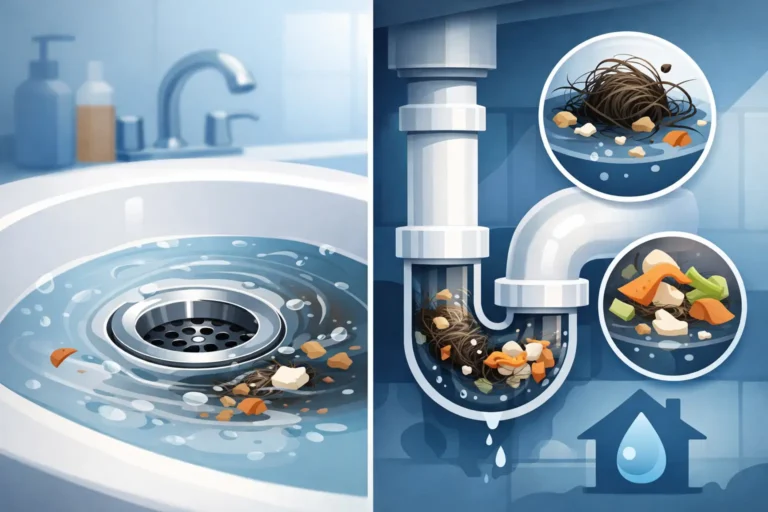
As the interior of a pipe becomes rough or flaky, waste and paper can hang up where they once moved through easily. Grease and soap residue can collect in the uneven areas. A drain may be cleared temporarily, but the same area can continue catching debris because the pipe itself has changed.
In more advanced cases, corrosion can create pits, cracks, holes, separated joints, or sections that have weakened enough to shift. That can allow wastewater to leak into the surrounding soil, invite root intrusion, or cause repeated main-line backups. The visible symptom might be a toilet that bubbles or a shower that drains slowly, but the source can be farther down the line.
Signs You May Need a Corroded Pipe Inspection
One slow sink does not automatically mean you have corroded piping. Hair, soap buildup, or a local clog can be the cause. The concern rises when several fixtures are affected or when the same drain problem returns shortly after it has been cleared.
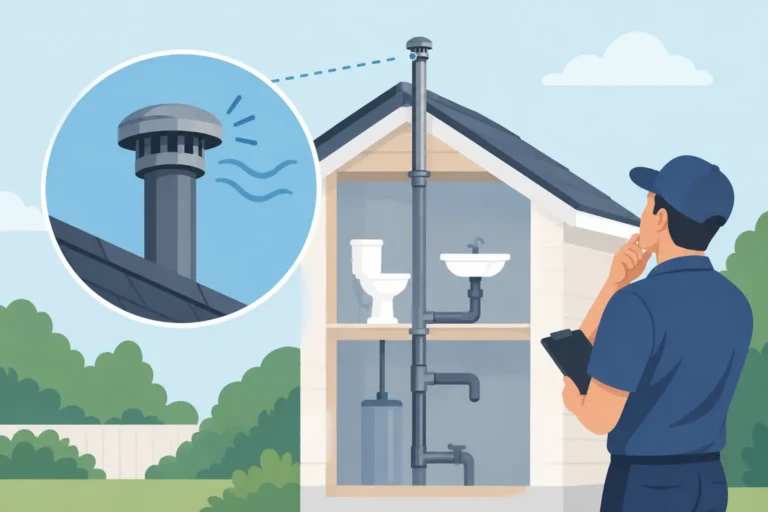
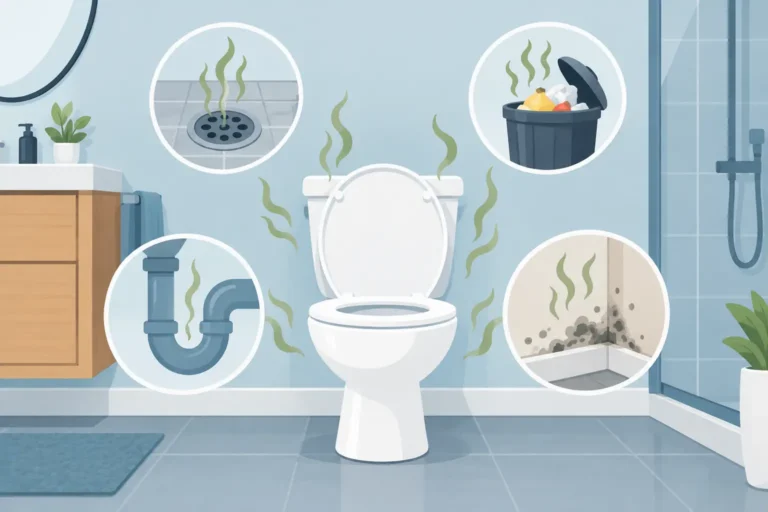
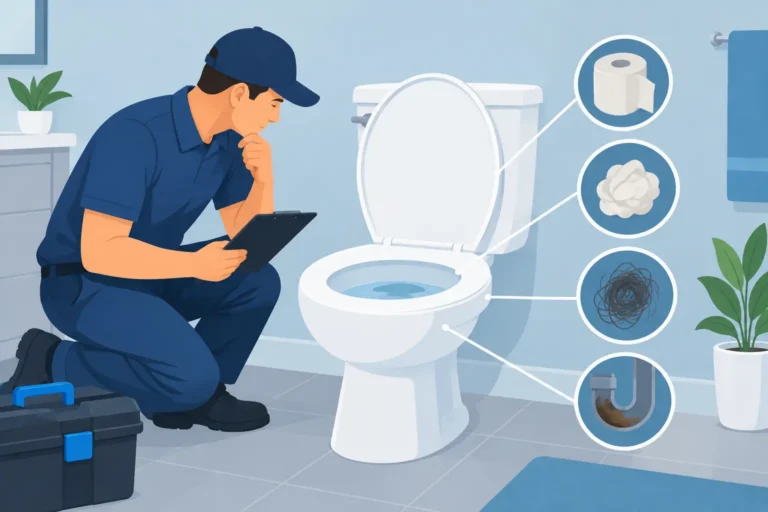
Pay attention if you notice recurring clogs in the same bathroom or kitchen, gurgling from a toilet when another fixture drains, sewage odors near drains, discolored water around a floor drain, or water backing up into a tub or shower. Frequent need for drain cleaners or plunging can also be a sign that the line is not flowing as it should.
Outside symptoms deserve attention too. Soft ground, unusually green patches of grass, unexplained damp areas, or a sewage smell in the yard can point to a damaged underground drain line. In Lake County, heavy rain can make drainage issues more noticeable, but rainwater alone does not explain repeated wastewater backups inside the home.
A backup is a reason to act promptly. Wastewater can damage flooring, walls, and belongings, and it creates a sanitation concern. Clearing the immediate blockage may be necessary, but it should not be the end of the conversation if the issue keeps coming back.
What a Camera Inspection Can Show
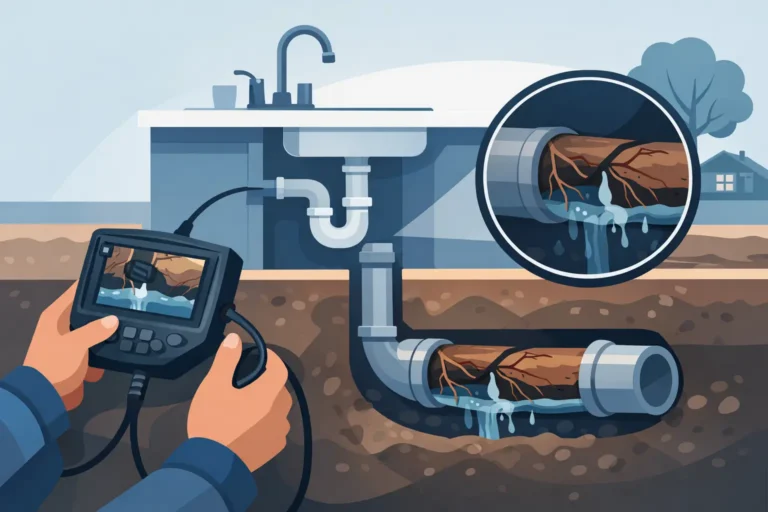
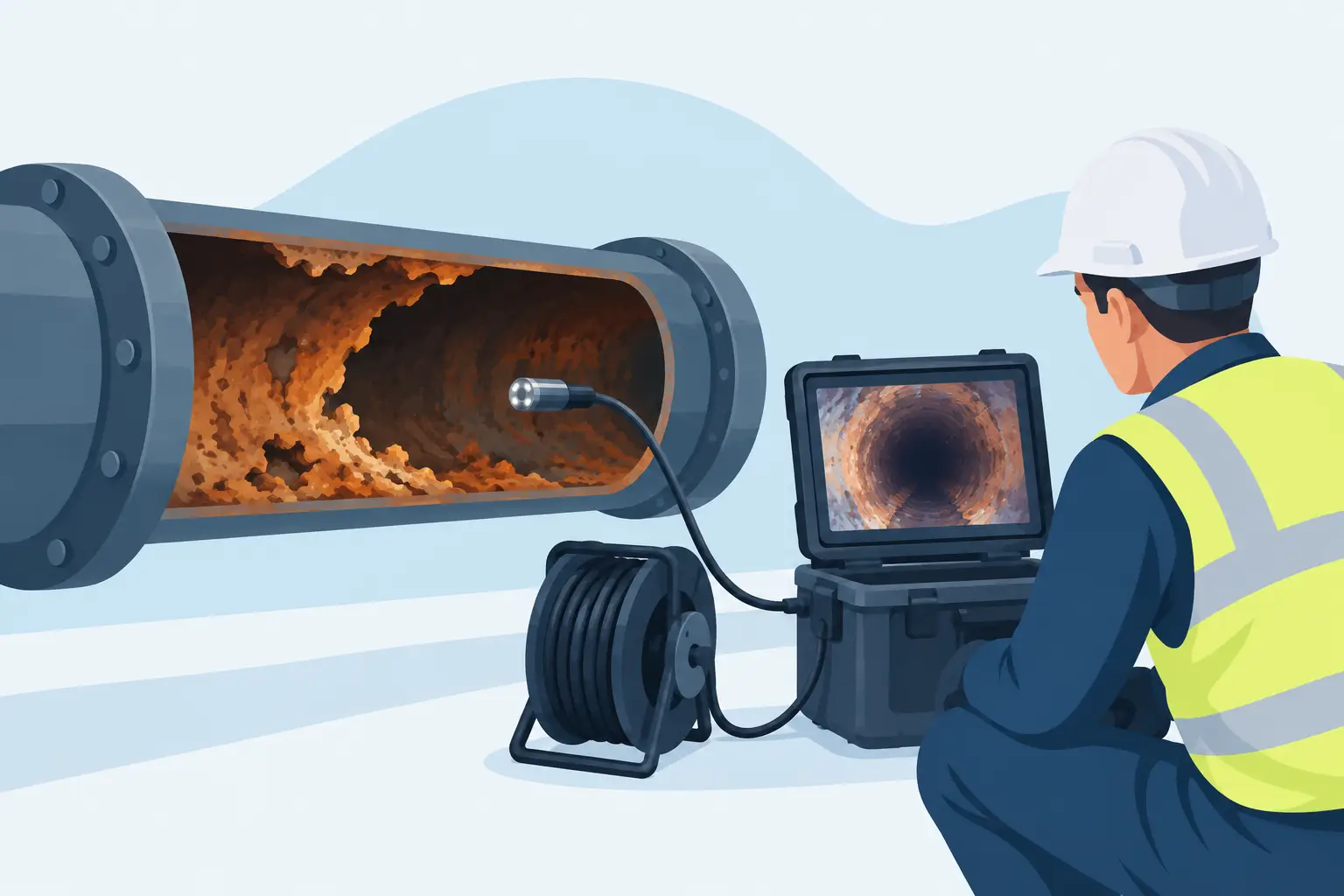
A professional drain camera is fed through an accessible cleanout or drain opening and moved through the line. The camera sends live video from inside the pipe, allowing the technician and homeowner to see conditions that cannot be confirmed from the surface.
During a corroded pipe inspection, the camera may show scale buildup, flaking cast iron, rusted sections, narrowed pipe openings, standing water, cracks, offset joints, roots, or debris caught on damaged areas. It can also show whether a clog is simply a buildup issue or whether the pipe has deteriorated enough that cleaning alone may not provide a lasting answer.
The value is not just the video. It is having the findings explained in plain language. You should know where the problem is, what the camera is showing, how severe it appears, and what options make sense for that specific line.
A camera inspection has limits, and an honest diagnosis should recognize them. Heavy buildup or a complete blockage can prevent the camera from reaching the full length of the pipe. In that situation, the line may need to be cleared first so the camera can travel through it. Very small cracks can also be difficult to confirm if the pipe walls are coated with debris or water. The goal is an accurate view of the condition that can be seen, not a rushed conclusion.
Cleaning and Repair Are Different Decisions
Finding corrosion does not always mean the entire pipe must be replaced. It depends on the material, location, amount of deterioration, and whether the pipe is still structurally sound. A line with surface scale and buildup may benefit from professional cleaning, including high-pressure jetting when appropriate, followed by a camera check to see how well the pipe has been restored.
Jetting can remove grease, sludge, loose scale, and debris from a drain line. It is often more thorough than simply opening a small path through a clog. However, it is not a cure for a pipe that has holes, collapsed sections, major separation, or severe loss of material. Using the right cleaning method matters, especially with older piping that may already be fragile.
If the camera shows localized damage, a targeted repair may be possible. If deterioration runs through a longer section of pipe, replacement or another repair approach may be the more practical long-term choice. The right answer should be based on what is actually found, not on a one-size-fits-all recommendation.
Why Repeated Chemical Cleaners Can Make Things Worse
When a drain slows down, it is tempting to reach for a bottle of chemical cleaner. These products may seem like the least expensive option, but they often do little for corrosion, scale, roots, or a damaged main line. They can also sit in a blocked pipe and create heat or harsh conditions that are not helpful for aging metal piping.
Chemical cleaners are especially frustrating when the problem is structural. They may open a small channel through soft buildup, then leave the rough pipe surface behind to collect debris again. Repeated use can delay a proper diagnosis while the underlying issue continues.
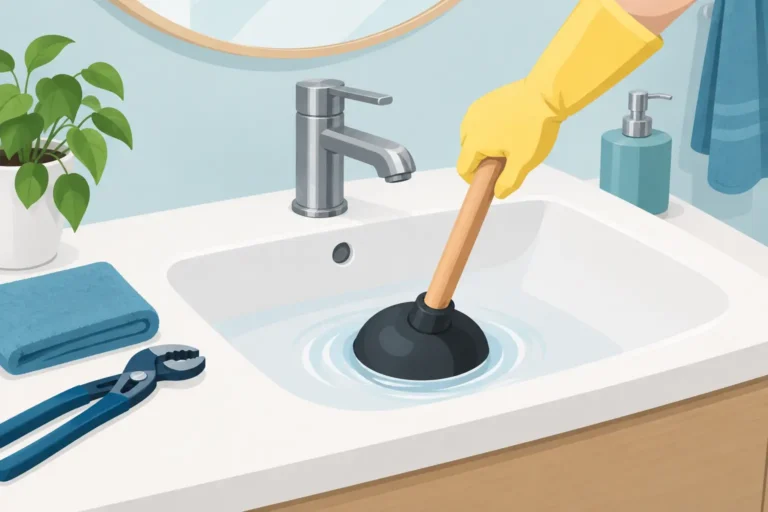
A plunger can help with a simple fixture clog, and careful drain maintenance has a place in every home. But recurring symptoms call for a clearer answer. Seeing the inside of the line is usually more useful than treating the same drain repeatedly from the top.
When to Schedule an Inspection
You do not need to wait for sewage on the floor to schedule a camera inspection. It is a sensible step when a main line has backed up, when multiple drains are slow, or when a clog returns soon after professional cleaning. It can also be useful before buying an older home or when planning a major bathroom, kitchen, or laundry renovation that will place more demand on existing drain piping.
If you are dealing with an active backup, avoid running water in sinks, showers, dishwashers, or washing machines until the line is checked. Adding more water can worsen the overflow. Keep children and pets away from affected areas, and avoid using chemical drain products before a service visit. Let the technician know what has been poured into the drain.
A dependable drain professional should inspect the line, explain what the camera found, discuss whether cleaning is appropriate, and give you a straightforward recommendation. USA Drain Cleaning focuses on that diagnostic process so Lake County homeowners can make decisions with the condition of the pipe in view.
A drain line does not have to fail completely before it deserves attention. If your home is sending the same warning signs again and again, a camera inspection can replace uncertainty with a clear next step and help protect your property from a larger, messier problem.