How to Flush Sediment From Outdoor Drains
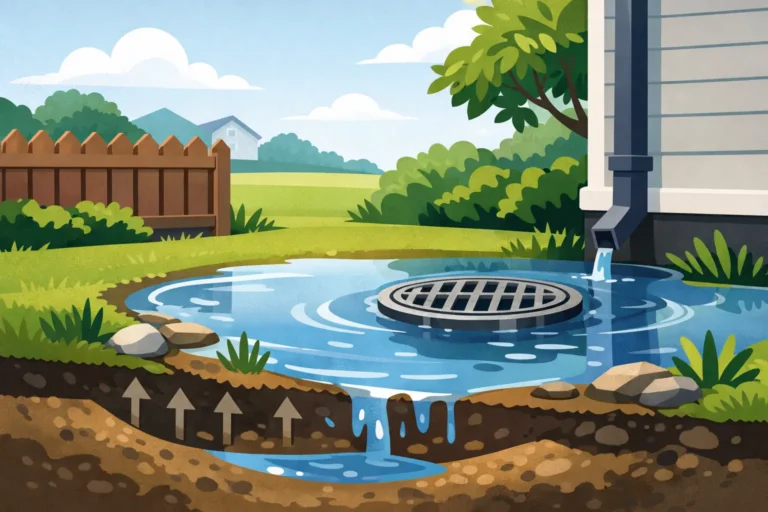
A storm drain that looks clear from the surface can still be packed with sand, mulch, leaves, and roof grit a few feet below the grate. In Lake County, a hard Florida rain can move that material quickly, turning a small buildup into standing water by the driveway, patio, or foundation. Knowing how to flush sediment from outdoor drains can help with routine maintenance, but it also helps you recognize when the problem is deeper than a simple rinse.
Start With the Right Type of Outdoor Drain
Not every drain outside your home serves the same purpose. A yard catch basin, driveway drain, channel drain, and downspout drain may all collect rainwater, but their pipe routes can differ. Some discharge into a drainage area on the property, while others connect to a larger stormwater system.
Before adding water, make sure you are working on a stormwater drain, not a sewer cleanout or septic component. A sewer cleanout is often a capped pipe rather than an open grated drain. If you are not sure what you are looking at, stop there. Sending large amounts of water into the wrong line can create a messy and expensive problem.
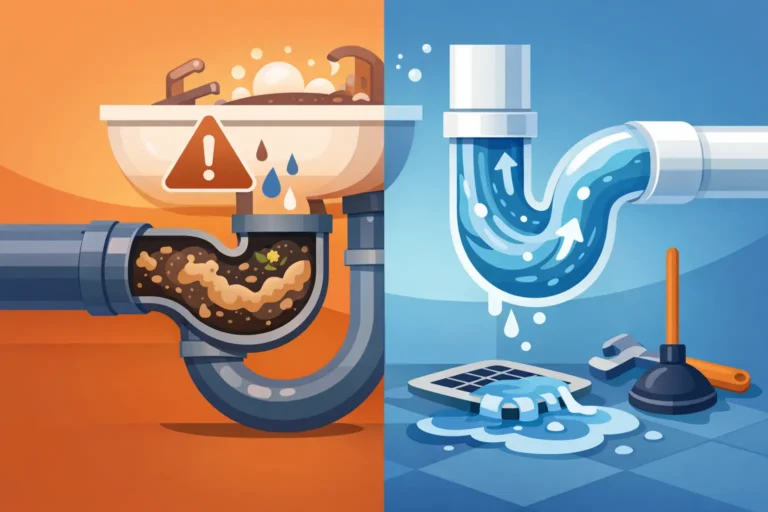
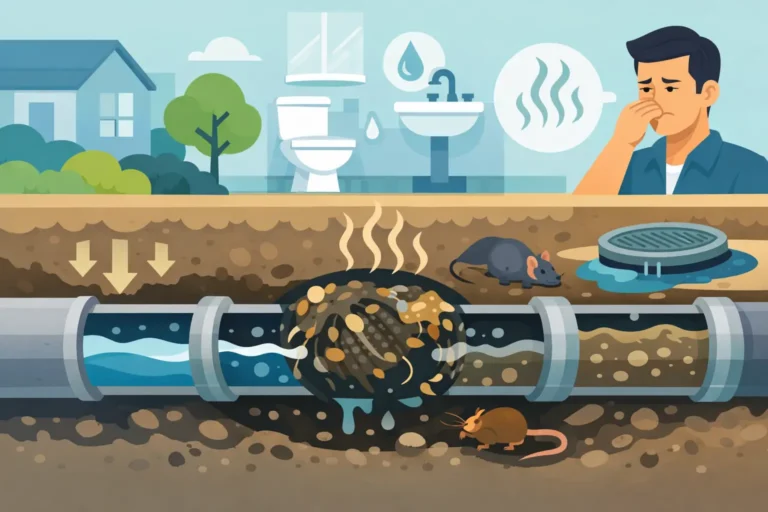
A drain that only struggles after rain usually points to exterior debris or sediment. Water that backs up from indoor fixtures, gurgles in toilets, or produces sewage odors is a different issue and needs professional diagnosis.
Why Sediment Builds Up So Fast in Florida
Outdoor drains are designed to move water, not store dirt. Yet every storm carries fine sand, soil, pine needles, leaves, lawn clippings, and shingle grit toward the lowest point in the yard or driveway. Mulch can also wash from planting beds into a nearby catch basin.
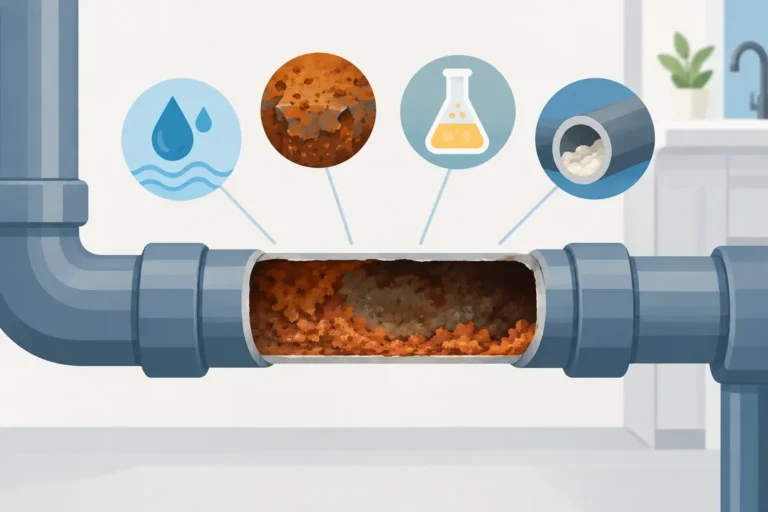
The heavier debris settles first. Fine sediment follows and collects along the bottom of the basin or pipe, gradually shrinking the path water has to travel. You may not notice the restriction during a light shower. Then a summer downpour arrives, and the drain cannot keep up.
This is why a drain can appear open at the grate but still drain slowly. The visible opening is only the entrance. The blockage may be in the basin below, at a pipe bend, or farther down the line where sediment has compacted.
How to Flush Sediment From Outdoor Drains Safely
For a drain with light buildup and no sign of a major backup, a careful flush can be a reasonable maintenance task. Choose a dry day so you can see whether the water is moving normally, and keep children and pets away from the work area.
Remove surface debris first
Put on gloves and lift the grate if it is designed to be removable. Clear leaves, sticks, grass, mulch, and visible trash by hand. Do not push this material into the drain. That simply moves the clog farther down the pipe, where it is harder to remove.
If the catch basin has a removable debris bucket or sediment trap, empty it into a yard-waste bag. Scoop loose dirt from the bottom of the basin when you can reach it safely. This step matters more than blasting water through a basin full of debris.
Use a garden hose, not a pressure washer
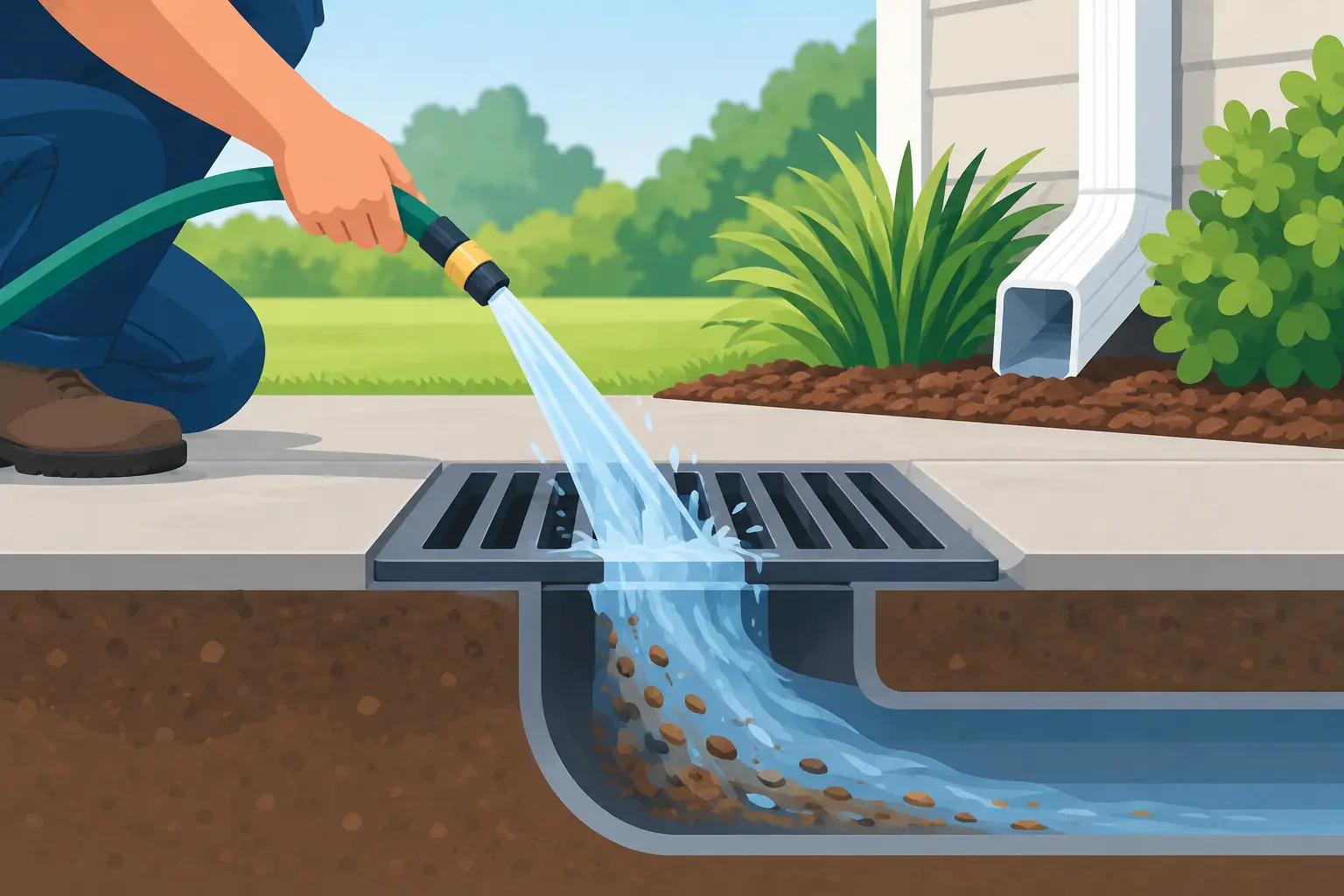
Place a garden hose into the drain opening and run water at a steady, moderate flow. Start slowly and watch the basin. The goal is to carry remaining fine sediment toward the outlet without overflowing the drain or forcing water back toward the house.
A hose works well when the line is mostly open and the remaining material is loose. Let the water run for several minutes, then shut it off and see how quickly the basin empties. If water rises immediately, barely drains, or comes back through another drain, stop flushing.
Avoid putting a pressure-washer wand directly into a drainpipe. High-pressure water can compact debris at a blockage, damage a compromised pipe, disturb fittings, or send muddy water where it does not belong. Professional hydro jetting is different because it uses specialized equipment, proper hose control, and diagnostics to clear a line safely.
Check the outlet, if it is accessible
Many exterior drainage systems discharge at a pop-up emitter, swale, ditch, or other outlet away from the house. If you know where yours ends, check it while the hose is running. You should see a steady flow of water at the outlet.
No flow at the end point usually means the pipe is blocked, crushed, separated, or holding enough sediment to restrict movement. Weak flow can also signal a partial obstruction. Do not keep adding water in hopes that pressure alone will solve it. That can leave water trapped underground or cause it to surface in the wrong place.
Signs a Simple Flush Is Not Enough
Routine flushing can maintain a healthy drain, but it cannot correct every problem. A professional inspection is the smarter next step when you see repeated pooling in the same area, water standing in the basin after a flush, or a drain that clogs again soon after cleaning.
Other warning signs include mud washing back onto the driveway, a sinkhole or soft spot near the drain line, roots growing into the basin, or water backing up from a second exterior drain. These conditions can point to root intrusion, a broken or shifted pipe, poor pipe slope, or a line that has filled with sediment over time.
It also depends on the age and layout of the system. Older homes may have drainage pipes that are shallow, undersized, or no longer properly connected. A new layer of gravel or fresh landscaping can change how water reaches a drain. The visible symptom may be a clogged grate, while the actual cause is farther underground.
Why Camera Inspection Saves Guesswork
When an outdoor drain is not responding to normal cleaning, the most useful question is not, “Can we push more water through it?” It is, “What is actually inside the pipe?” A camera inspection gives a clear answer.
A technician can inspect the pipe’s condition, locate sediment buildup, identify roots or pipe damage, and confirm whether the line is flowing to its intended outlet. That prevents unnecessary digging and helps determine whether professional cleaning, jetting, repair, or a drainage adjustment makes sense.
For homeowners in Eustis, Mount Dora, Tavares, Leesburg, and Lady Lake, this is especially helpful before the heaviest rainy periods. USA Drain Cleaning uses camera inspections to show what is causing the problem and explain the findings in plain language. No guessing. No unnecessary work.
Keep Sediment From Returning
The best time to maintain an outdoor drain is before water starts pooling. Check grates and catch basins after major storms, after landscape work, and when leaves or pine needles are dropping heavily. Clear surface debris before it has time to break down and wash into the line.
Keep mulch and loose soil from piling against drain openings. If a downspout discharges near a catch basin, make sure its flow is directed properly and is not eroding bare soil into the drain. A small border of stone or a stable splash area can reduce the amount of dirt carried by roof runoff.
If your property has mature trees, watch for roots near drainage paths. Roots seek moisture and can enter small openings in aging pipe. Removing debris from the grate will not solve a root blockage below ground.
A clear outdoor drain protects more than a dry driveway. It helps keep stormwater moving away from the home when the next heavy rain arrives. If the water will not move after a careful flush, leave the forceful equipment to a professional who can inspect the line, clear the real obstruction, and leave your property clean.