Best Drain Strainers for Homes That Actually Work
A drain strainer is a small part that can prevent a very inconvenient problem. Hair, food scraps, soap residue, and yard debris all have a way of reaching places they do not belong. The best drain strainers for homes catch that material before it settles farther down the pipe, where a quick cleanup can turn into a slow drain or recurring clog.
The right choice depends on the drain. A shower needs a fine screen that catches hair. A kitchen sink needs a basket that holds food without slowing everyday cleanup. An outdoor drain needs a stronger cover that can handle leaves, mulch, and Florida rain. No single strainer works equally well everywhere, but a few practical choices can make a noticeable difference.
Best Drain Strainers for Homes by Location
Start by matching the strainer to the fixture, not by buying the first multipack on the shelf. Measure the drain opening first, especially for showers and floor drains. A strainer that sits loosely, bows upward, or blocks water flow will be removed and forgotten. A properly fitted one becomes part of regular home maintenance.
Kitchen sink: stainless steel basket strainers
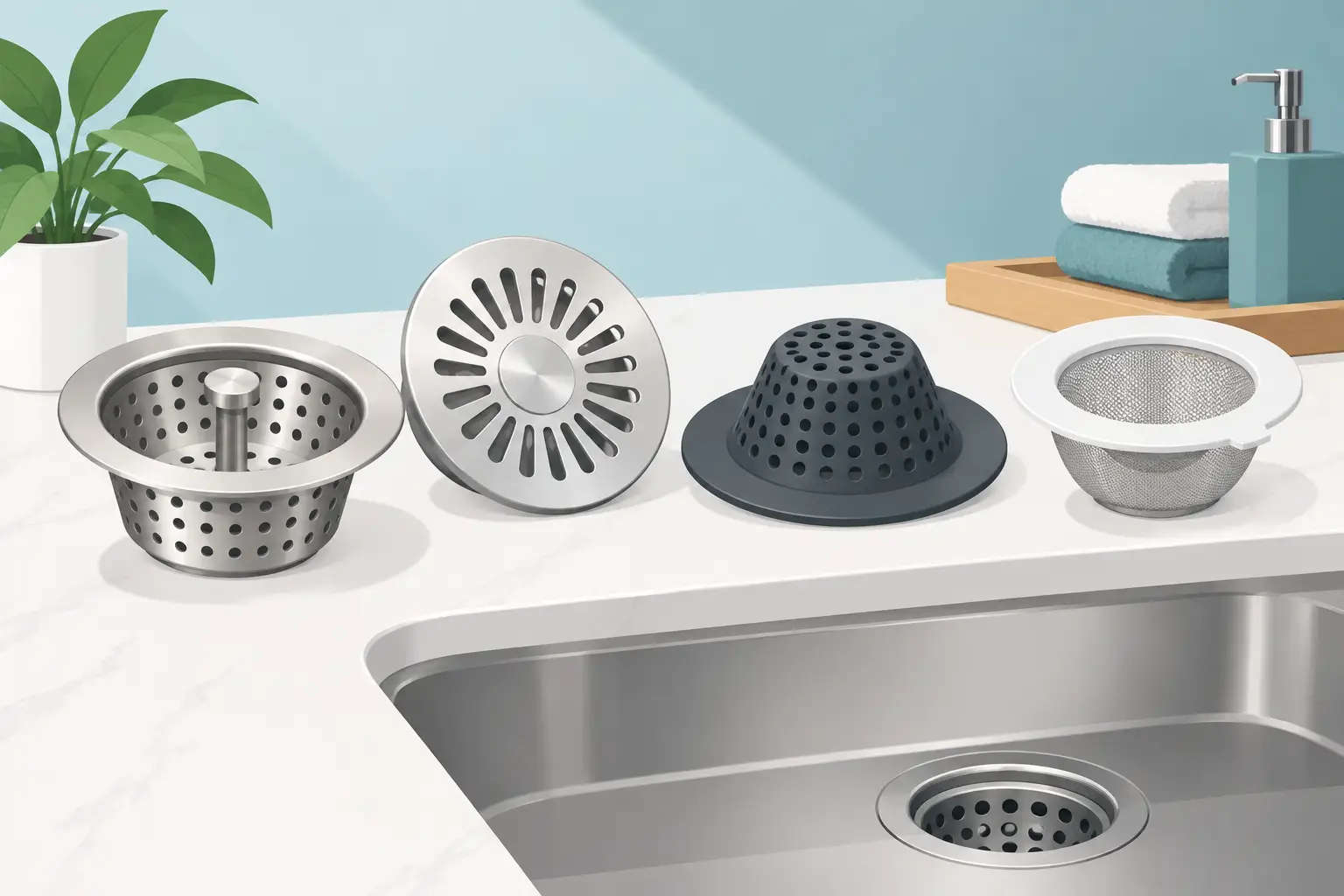
For most kitchen sinks, a removable stainless steel basket strainer is the dependable choice. It drops into the drain opening, lets water pass through, and catches vegetable peels, coffee grounds, rice, pasta, eggshell fragments, and other food debris that should not be rinsed away.
Choose a basket with small enough holes to catch scraps but enough open area for water to drain freely. A deeper basket usually holds more, which is helpful for busy kitchens, but it also needs to be emptied before it overflows. Look for stainless steel rather than thin plated metal that can rust or bend over time.
A kitchen strainer is not a substitute for good disposal habits. Grease, cooking oil, fats, and heavily starchy foods can still create buildup inside the pipe. Let grease cool in a container and throw it away rather than sending it through the sink. If the kitchen drain is slow even when the basket is clean, the restriction may already be farther down the line.
Shower and tub: fine mesh hair catchers
Hair is the usual cause of shower and tub clogs, especially in homes with long hair, multiple family members sharing a bathroom, or pets washed indoors. A fine stainless steel mesh screen catches more hair than wide-hole plastic covers, and it is easy to lift, wipe out, and rinse.
For flat shower drains, choose a low-profile screen that lays flat and stays in place under normal water flow. For tub drains with a built-in stopper, a small insert-style catcher may fit inside the opening better than a flat cover. The trade-off is capacity: finer mesh catches more hair but needs cleaning more often.
Do not wait until the catcher looks completely full. Hair mixed with soap and conditioner can form a sticky mat that keeps water from draining through the screen. A quick wipe after a shower is easier than dealing with ankle-deep water later.
Bathroom sink: small plug-style or flat screens
Bathroom sink strainers deal with a different mix of debris: toothpaste caps, cotton swabs, jewelry, hair, and small items that can slip into the drain. A flat silicone screen is simple and inexpensive, while a plug-style catcher can sit inside the drain and collect hair below the sink surface.
Silicone options are easy to clean and will not rust, but they can shift if they are too small for the drain. Metal screens tend to stay put better when correctly sized. Whichever style you choose, make sure it does not interfere with the sink stopper or leave water sitting in the basin.
This is also a good place to be realistic about what a strainer cannot catch. Toothpaste, shaving cream, soap residue, and other products still coat the inside of the drain over time. If you notice a bathroom sink draining slowly despite a clean screen, removing the stopper for cleaning may help. If the problem quickly returns, the drain may need professional cleaning.
Laundry and utility sinks: wide, durable screens
Laundry sinks can collect lint, pet hair, dirt, and residue from mop water or cleaning projects. A wide stainless steel or rigid plastic strainer with larger capacity is usually more useful here than a very fine shower-style mesh. It should be sturdy enough to handle frequent removal and cleaning.
If your washing machine drains into a standpipe, a sink strainer will not protect that line. Use a washing machine lint trap where appropriate, and avoid dumping paint, plaster, soil, or construction debris into any utility drain. Those materials can settle in pipes and create a blockage that ordinary household cleaning will not remove.
Floor and exterior drains: heavy-duty debris guards
Garage, patio, driveway, and storm drain openings need a different approach. These drains can receive leaves, pine needles, grass clippings, mulch, sand, and runoff during a heavy storm. A heavy-duty grate or debris guard should sit securely over the opening without restricting water flow.
Fine mesh can be useful for catching smaller debris, but it can also clog quickly during a downpour. For exterior drains, a stronger grate with an easy-to-clear basket or guard is often the better balance. Check it before stormy weather and again after yard work. Do not allow grass clippings or swept debris to collect around the drain where rain can carry it inside.
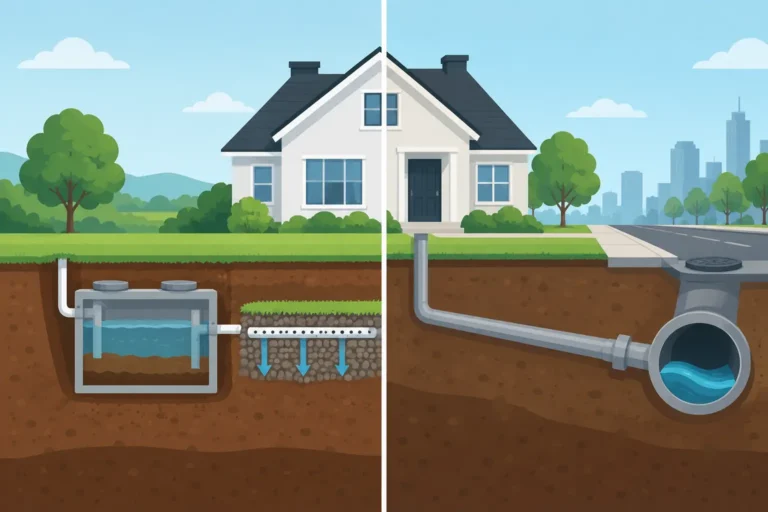
If water pools around an exterior drain even after the surface grate is cleared, the blockage may be in the drain line itself. That can be caused by packed debris, sediment, roots, or a damaged pipe. Surface cleanup will not correct a problem below ground.
What Makes a Drain Strainer Worth Buying?
The best drain strainer is not necessarily the most expensive one. It should fit securely, allow normal water flow, and be easy enough to clean that everyone in the house will actually use it. Stainless steel is a strong all-around material for indoor drains because it resists rust and cleans easily. Silicone is useful for flexible flat covers, particularly in bathrooms. Rigid plastic can work well in utility or exterior applications where rust is not the main concern.
Pay attention to hole size. Small holes catch more material but require more frequent cleaning. Larger holes flow faster but let smaller food particles and hair pass through. For a kitchen sink, a basket with moderate-size openings is usually best. For a shower, finer mesh makes more sense because hair is the main concern.
Avoid flimsy screens that curl at the edges or strainers with decorative shapes that leave wide gaps around the drain. Water and debris will follow the path of least resistance. If there is a gap, hair and scraps will find it.
A Strainer Helps, But It Cannot Fix a Drain Problem
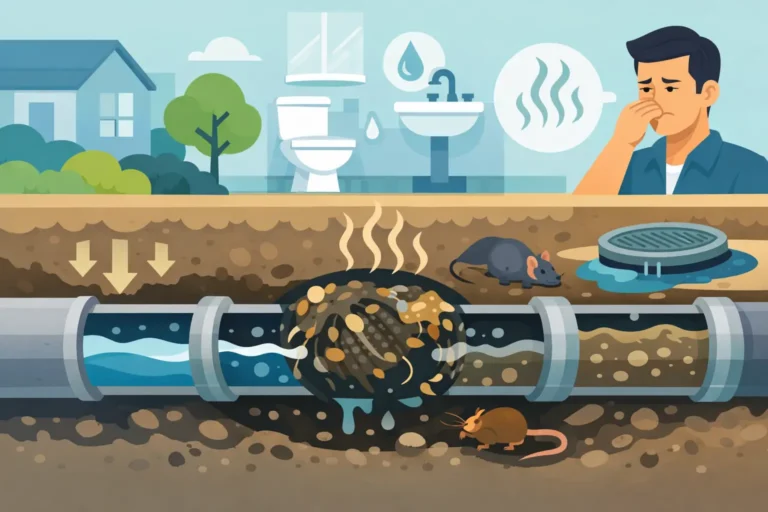
Drain strainers are preventive tools. They cannot remove grease coating a kitchen line, soap buildup inside a bathroom pipe, tree roots in a main sewer line, or sediment packed into an exterior drain. They also cannot correct a pipe with a sag, crack, offset joint, or other condition that repeatedly catches debris.
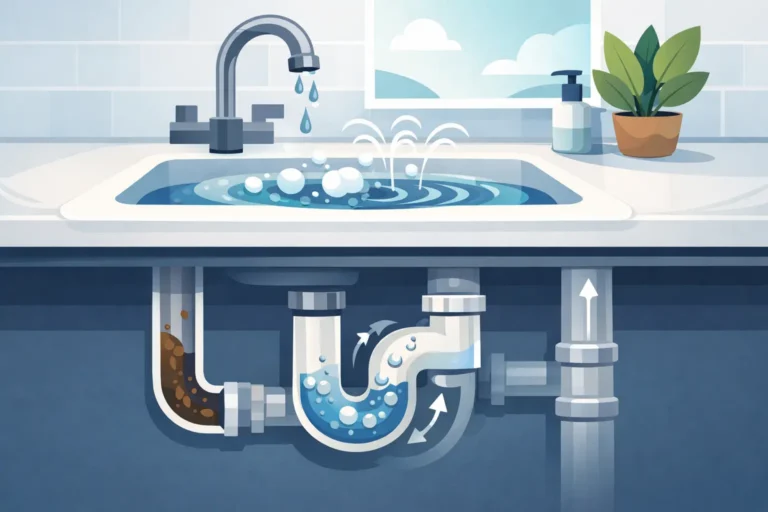
Watch for warning signs that go beyond a dirty strainer. Water that drains slowly after the screen is cleaned, gurgling sounds, foul odors, water backing up in another fixture, or the same clog returning within weeks all point to a deeper issue. For outdoor drainage, standing water near a storm drain after rain deserves attention before the next storm creates a larger mess.
Chemical drain cleaners are rarely the best next step. They may not reach the actual blockage, can sit in standing water, and may be hard on older plumbing components. A professional cleaning can remove the material causing the restriction, while a camera inspection can show where the problem is and why it keeps happening. No guessing. No unnecessary work.
Make Strainer Cleaning Part of the Routine
A few seconds of maintenance keeps a strainer useful. Empty kitchen baskets after meal prep or dishwashing. Wipe shower hair catchers every few showers. Check bathroom screens weekly, and inspect exterior grates before periods of heavy rain or after trimming trees and mowing.
Wear gloves when cleaning, rinse strainers into the trash or a separate container, and wash them with warm soapy water as needed. Do not push the collected material back into the drain. That defeats the purpose and can force debris past the trap where it becomes harder to remove.
For Lake County homeowners, keeping drain strainers clean is one of the simplest ways to reduce everyday clogs. When a drain is still slow, smells bad, or backs up after the obvious debris is gone, treat that as a signal to look deeper. A clear answer now can prevent a much more disruptive problem later.