How to Stop Patio Drain Flooding Before It Spreads
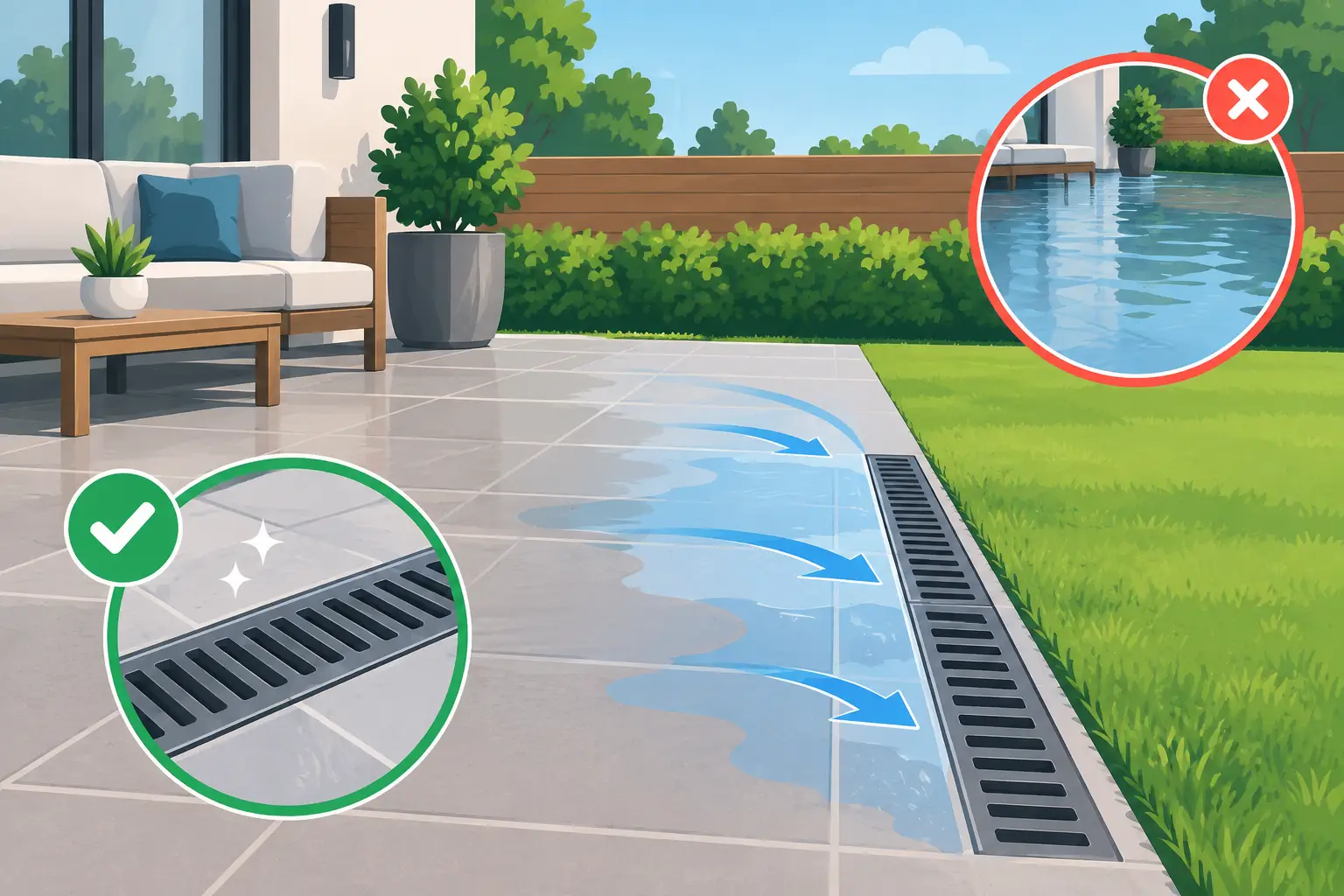
A Florida downpour can turn a clear patio into standing water in minutes. Patio drain flooding is more than an inconvenience when water starts creeping toward a sliding door, soaking exterior walls, or washing mulch and debris across the yard. The sooner you identify why water is not moving, the better chance you have of preventing water damage and a larger drainage repair.
For homeowners in Eustis, Mount Dora, Tavares, Leesburg, and Lady Lake, exterior drainage gets tested hard during summer rainstorms. A patio drain may look like a simple grate in the concrete, but it depends on a clear drain line and a working outlet. When either one is blocked, water has nowhere to go.
Why Patio Drain Flooding Happens
Most patio flooding comes down to one of three conditions: a clogged drain opening, a blocked underground line, or drainage that is no longer moving water away from the patio properly. Sometimes the cause is obvious, such as leaves packed over the grate after a storm. Other times, the blockage is several feet underground and cannot be seen from the surface.
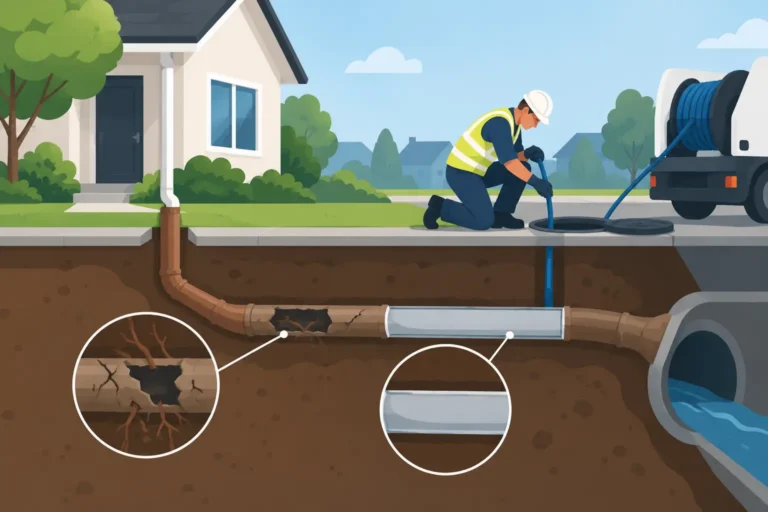
Patio drains collect more than rainwater. Pine needles, grass clippings, mulch, soil, roof grit, pet hair, and blown-in debris can settle in the catch basin. Over time, that material compacts into a thick blockage. If the drain connects to a storm line, roots can also enter through pipe joints or cracks and catch debris as it flows by.
A drain line may also be intact but poorly sloped, damaged, or partially crushed. In that case, water may drain slowly during a light shower but back up during heavy rain. This is why a drain that appears to work between storms can still flood the patio when it matters most.
Signs Your Patio Drain Has a Developing Problem
You do not have to wait for ankle-deep water to know something is wrong. Water that circles the drain before disappearing, a sour or muddy odor near the grate, or recurring puddles in the same area are early warnings. If water rises from the drain opening instead of flowing into it, there is likely a blockage farther down the line.
Pay attention to the edges of the patio, too. Water stains on walls, damp thresholds, loose pavers, eroded landscaping, and mulch repeatedly washing into the drain all point to poor water control. A patio that slopes toward the home can make even a minor drain restriction feel urgent.
In Lake County, it is common for a patio drain issue to show up after a dry stretch. Debris sits undisturbed in the line, then the first major rain pushes it into a tighter clog. The result is a sudden backup that feels like it came out of nowhere.
What to Do When Water Is Pooling on the Patio
Start by protecting the home and avoiding actions that make the problem worse. If water is nearing a door or exterior electrical outlet, move outdoor furniture, rugs, and loose items away from the area. Do not remove drain covers if water is actively surging out of the opening, and do not use an extension cord or electric tool near standing water.
If it is safe to reach the grate, clear visible leaves, mulch, and other loose debris by hand. A garden hose can help rinse remaining surface debris away from the opening, but do not force large amounts of water into a drain that is already backing up. That only adds to the pooling.
Avoid pouring chemical drain cleaners into patio or storm drains. These products rarely clear mud, leaves, roots, or compacted outdoor debris. They can also leave harmful chemicals in standing water and create a safety concern for anyone who later needs to inspect the line.
If the rain has stopped and water remains on the patio for hours, treat it as a drainage issue that needs attention. Mosquitoes, slick surfaces, and moisture against the home are not problems to put off until the next storm.
A Surface Cleaning May Not Be Enough
Cleaning the grate is worthwhile maintenance, but it does not prove the line is clear. A patio drain can have an open catch basin and still be blocked farther down by roots, soil, or a buildup of organic debris. That is especially likely when flooding keeps returning after you remove visible debris.
This is where a camera inspection can save time and unnecessary work. A technician can run a specialized camera through the drain line to see whether the problem is a compacted clog, root intrusion, a separated connection, standing water in a low spot, or a damaged pipe. No guessing. No unnecessary work.
The right repair depends on what the inspection shows. High-pressure jetting can clear buildup, mud, and roots from many drain lines while cleaning the pipe walls more thoroughly than a basic cable. A damaged or collapsed section, however, may need repair rather than repeated cleaning. A clear diagnosis keeps you from paying for a temporary fix when the pipe itself is the issue.
Preventing Patio Drain Flooding Between Storms
Exterior drains need regular attention because they are exposed to the yard every day. Before the rainy season and after a heavy storm, lift the drain grate if it can be removed safely and clean out loose debris in the basin. Keep mulch and landscaping material from piling against the opening, particularly after yard work.
It also helps to look at where roof runoff goes. Gutters that overflow near a patio can send a surprising amount of leaves and roof grit into a small drain. Downspout extensions, properly placed splash blocks, or adjustments to landscaping may reduce the amount of debris reaching the patio area. The best approach depends on the layout of your home and how water travels through the yard.
Check the patio grade as well. Water should move away from the house and toward its intended drain path. If a patio has settled or an added screen enclosure changes how water moves, the drain may be handling more runoff than it was designed for. Drain cleaning can remove a blockage, but it cannot correct a concrete slope that directs all stormwater toward the home.
For homes with mature trees, periodic professional drain maintenance is often less expensive than waiting for a rainy-day backup. Roots are persistent, and an exterior line can gradually narrow long before water stops moving altogether.
When to Call a Drain Professional
Call for help when patio water threatens the home, the drain repeatedly backs up, or clearing the grate does not restore normal flow. A professional should also inspect a drain when you see soil washing into it, suspect root growth, notice a foul odor, or find that flooding has become worse from one storm to the next.
USA Drain Cleaning helps Lake County homeowners identify the source of exterior drain problems with straightforward camera inspections and professional drain-cleaning equipment. You should be able to see what is causing the backup, understand the recommended work, and get a clear explanation of the result before anyone suggests additional repairs.
A clear patio drain does more than keep your outdoor space usable. It gives heavy rain a controlled path away from the places water can do the most damage, so the next storm does not have to become an emergency.