Are Camera Inspections Worth It for Your Drains?
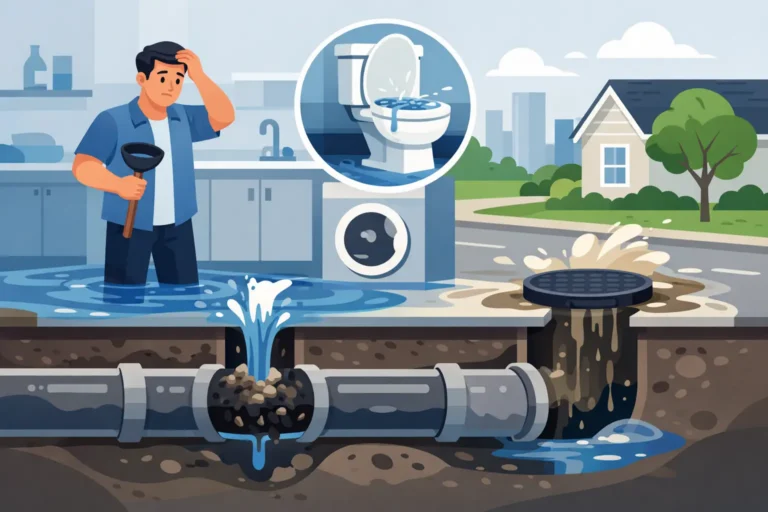
A sink that keeps backing up after it has been cleared is frustrating. So is a toilet that gurgles when the washing machine drains, or water that pools around an outdoor drain after a hard Lake County rain. When the problem returns, homeowners naturally ask: are camera inspections worth it, or is it just another charge on the service call?
For many recurring or hard-to-explain drain problems, a camera inspection is worth it because it replaces guessing with a clear look inside the pipe. Rather than treating the symptom over and over, a technician can see what is causing the blockage, where it is located, and whether the pipe itself has a condition that needs attention. No guessing. No unnecessary work.
What a Drain Camera Inspection Actually Does
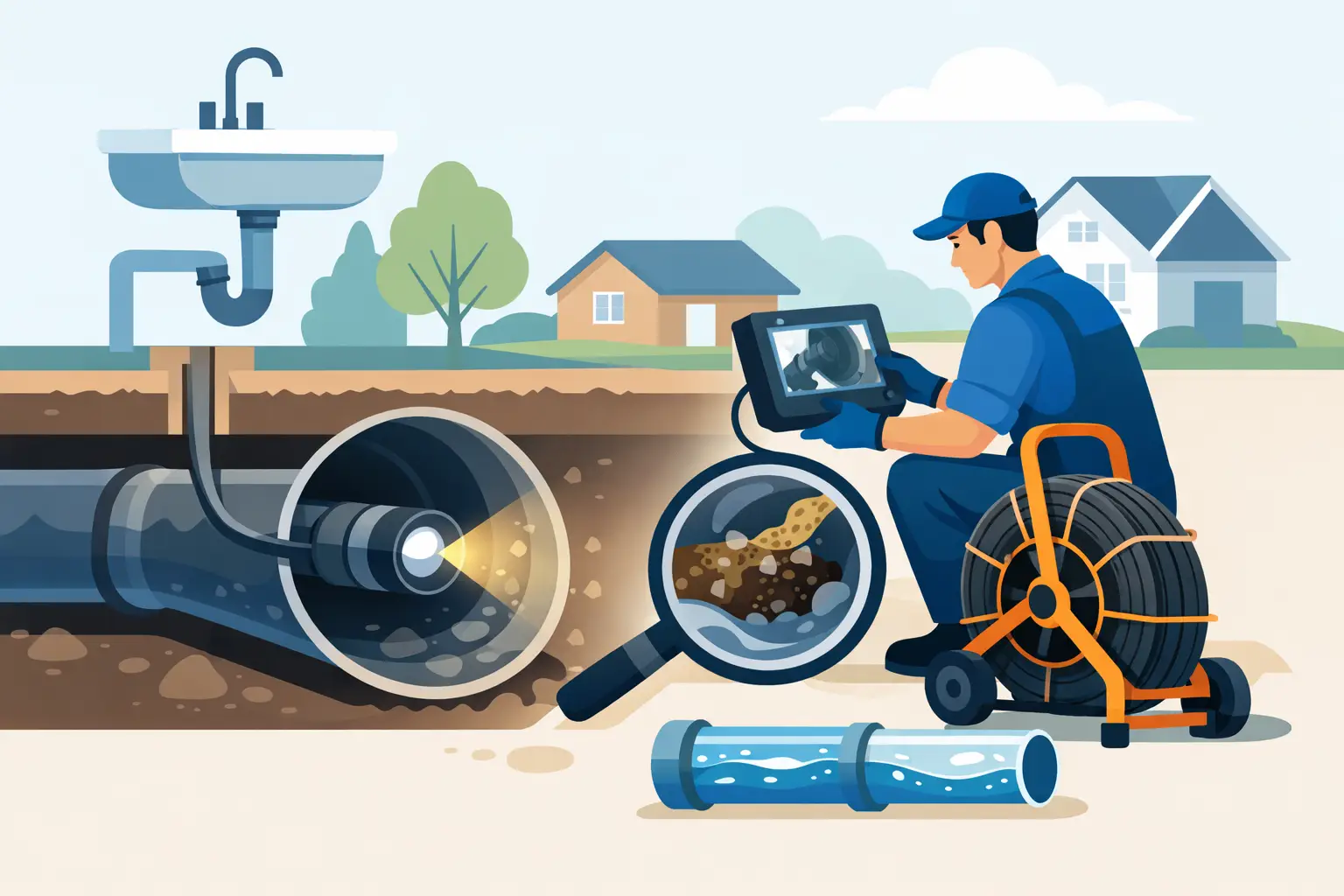
A drain camera is a small waterproof camera attached to a flexible cable. The technician feeds it through an accessible drain line, cleanout, or sewer connection while watching a live video feed. That view can reveal buildup, roots, damaged pipe sections, standing water, separated joints, or an object caught in the line.
This is not the same as simply running a snake until water starts moving again. A drain snake can break through many clogs, but it cannot tell you whether grease and scale are still coating the pipe walls or whether tree roots will catch debris again next month. A camera helps identify the condition behind the backup.
For homeowners, the useful part is straightforward: you can be shown what the technician sees and receive an explanation in plain language. You should know why a recommended service is needed before approving it.
When Are Camera Inspections Worth It?
A camera inspection is most valuable when the problem is recurring, affecting more than one fixture, or pointing to an issue farther down the line. If one bathroom sink drains slowly because of hair near the stopper, a camera may not be necessary. That is usually a simple, localized clog.
The value goes up when there is a real question about what is happening inside a concealed pipe. Consider an inspection when you notice any of these signs:
- A drain has been cleared before but slows down or backs up again.
- Toilets, tubs, showers, and sinks gurgle or drain poorly at the same time.
- Sewage backs up into a tub, shower, or lower-level fixture.
- You smell persistent sewer odors without an obvious cause.
- A main drain line clogs repeatedly.
- A storm drain holds water after rain or leaves standing water near a driveway, yard, or patio.
In these situations, repeated basic drain clearing can become more expensive than diagnosing the line properly. The inspection may show that cleaning is all you need. It may also prevent money from being spent on a treatment that cannot solve the real issue.
What the Camera Can Find
Not every drain problem looks the same from above. Water may be slow because of soft buildup, while a full backup may be caused by roots, a collapsed section, or a blockage farther down the main line. Camera footage helps separate those situations.
Heavy Buildup Inside the Pipe
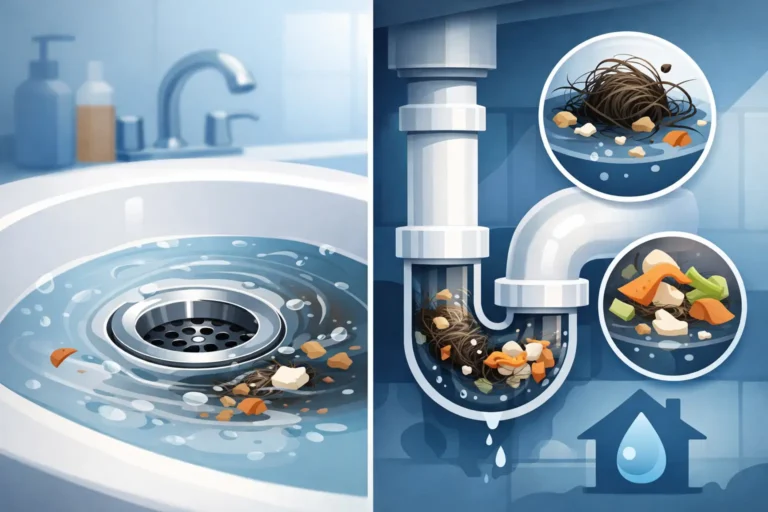
Kitchen lines often collect grease, soap residue, food particles, and sludge. Bathroom drains can accumulate hair, soap scum, and mineral deposits. A cable may open a path through that material, but a camera can show whether the pipe still has significant buildup along its walls.
That distinction matters when choosing the next step. If the line is coated, high-pressure jetting may provide a more thorough cleaning than repeatedly punching a small opening through the blockage. If the line is clean after the clog is removed, additional cleaning may not be needed.
Tree Root Intrusion
Roots are a common concern in older drain lines and properties with mature landscaping. Roots seek moisture and can enter through small gaps, joints, or cracks. Once inside, they trap toilet paper, debris, and waste until the line begins backing up.
A camera can show whether roots are present and how severe they are. Clearing roots may restore flow, but the footage can also help set realistic expectations. If roots are entering through a damaged joint, they can return unless the underlying opening is repaired. A trustworthy technician should explain that trade-off rather than promise a permanent result from a temporary clearing.
Cracks, Bellies, and Pipe Damage
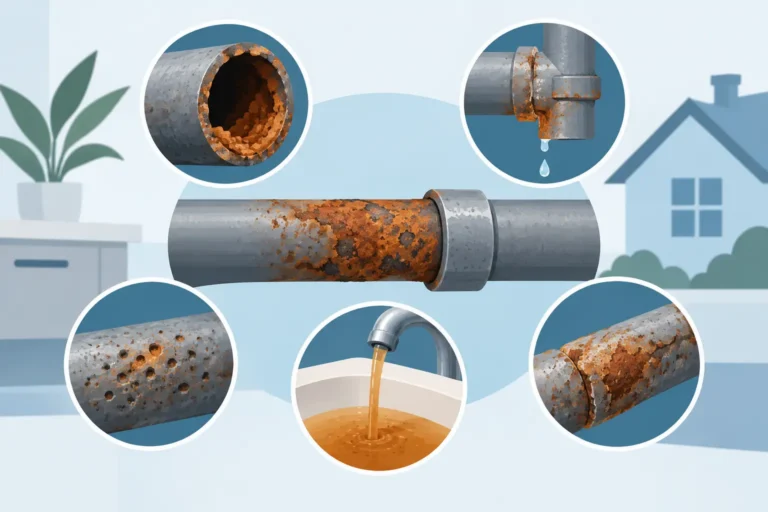
Some drain lines fail because the pipe has shifted, cracked, separated, or sagged. A sagging section, sometimes called a belly, can hold water and waste instead of allowing it to flow freely. A cable may pass through it, yet the line can continue to clog because material settles in the low spot.
Camera findings do not automatically mean excavation or replacement. The condition, location, and severity matter. But knowing there is structural damage allows you to make an informed repair decision instead of paying for repeated cleanings that will not last.
Lost Objects and Construction Debris
Children’s toys, wipes, feminine products, paper towels, and other items can lodge in a drain line. Exterior lines can also collect dirt, leaves, mulch, and debris after storms. In some homes, leftover construction material or broken pipe fragments create an obstruction.
When a blockage is unusual or a cable repeatedly hits the same point, a camera can help identify what is there. That saves time and helps the technician select the safest way to remove it.
The Cost Question: Inspection Versus Repeat Service Calls
The right question is not whether every slow drain needs a camera. It is whether the camera will help avoid wasted work on your specific problem.
For a first-time, minor clog near one fixture, direct drain cleaning may be the sensible starting point. For a line that has clogged three times in six months, the math changes. Paying for repeated temporary clearing without knowing why the clog returns can cost more than one inspection followed by the correct service.
A camera inspection can also protect your budget when it rules out a major issue. If the footage shows a simple blockage in an otherwise sound line, you can move forward with cleaning without worrying that someone is recommending repairs based on assumptions. Diagnostic transparency works both ways: it identifies serious problems when they exist and helps avoid unnecessary work when they do not.
Ask whether the inspection is being recommended because of the symptoms, what the technician expects it may reveal, and how the findings will affect the proposed work. Clear answers are a good sign that the service is focused on solving the problem, not adding charges.
Camera Inspections for Storm Drains and Outdoor Drainage
Florida rain can turn a blocked exterior drain into an immediate property problem. Water pooling near a driveway, garage, patio, or low area of the yard may point to leaves, sediment, roots, crushed piping, or a buried obstruction in the storm drainage system.
A camera is especially useful when the inlet grate looks clear but water still will not move. The blockage may be farther down the pipe, where it cannot be seen from the surface. Identifying that location helps avoid digging blindly through a yard or removing sections of hardscape without evidence.
For exterior drainage, prompt attention matters. Standing water can create slippery areas, affect landscaping, and move toward places where you do not want it, including garages and foundations. Cleaning the line is often the answer, but the camera helps confirm whether the system is simply blocked or physically damaged.
What to Expect From a Professional Inspection
A good service visit should feel clear, not mysterious. The technician should ask about the symptoms, determine the best access point, inspect the line when appropriate, and explain what appears on the camera. If cleaning, jetting, repair, or monitoring is recommended, you should understand why.
At USA Drain Cleaning, the goal is to identify the source of the problem and match the work to the condition of the line. Sometimes that means a straightforward cleaning. Sometimes it means removing heavy buildup with professional-grade equipment. Sometimes the camera shows a pipe issue that cleaning alone cannot correct. The point is to give you an honest picture before you spend money on the next step.
Camera inspections are not a cure by themselves. They are a diagnostic tool. Their worth comes from helping your technician choose the right cure and helping you decide with confidence.
If a drain keeps giving your household the same warning signs, do not settle for another round of guesswork. A clear view inside the line can turn an uncertain repair into a practical plan, so you can protect your home, your time, and your budget.